
Blog
Close Protection Protocol for Foreign Corporate Executives in Egypt

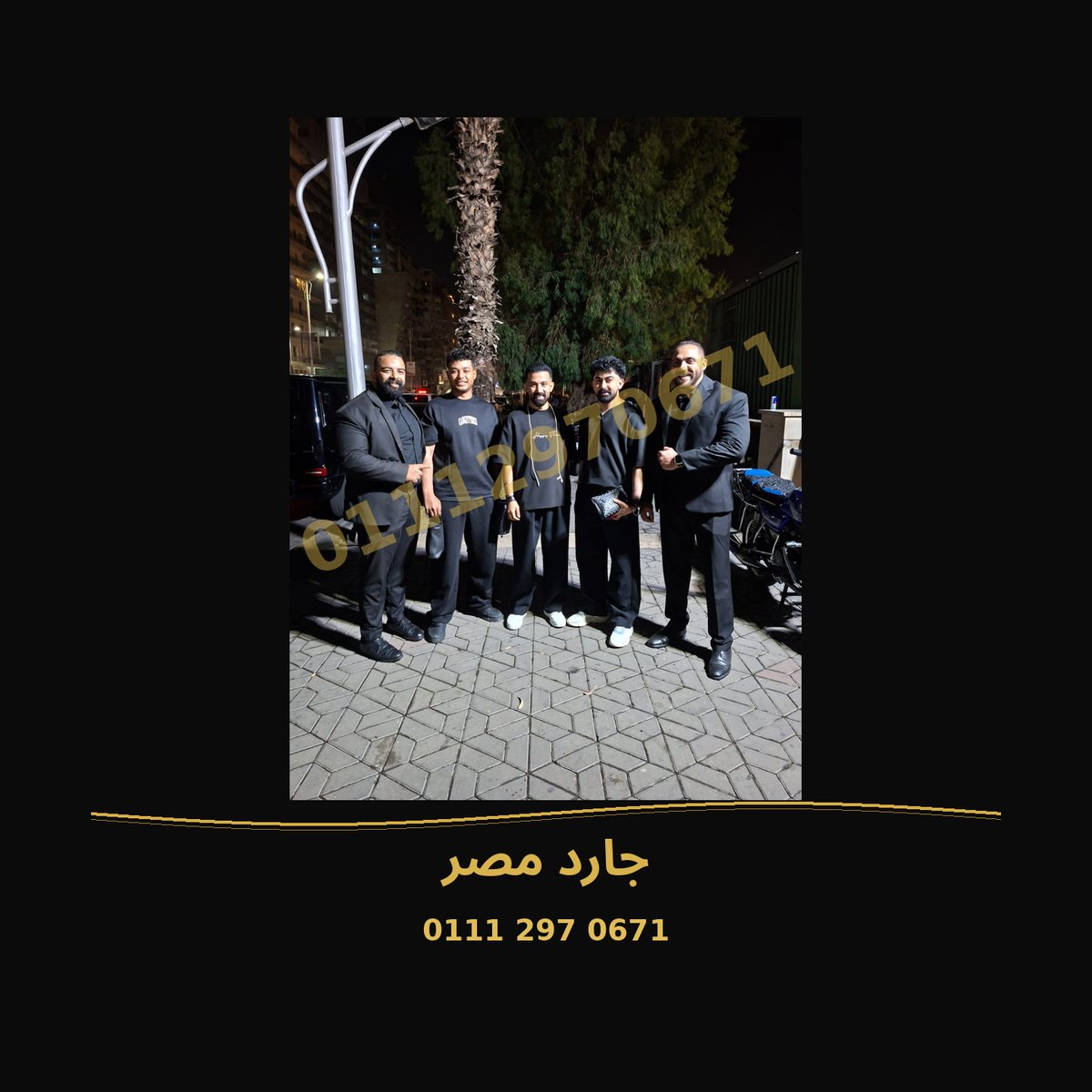
When a foreign executive lands in Egypt for a week of meetings, the schedule is usually tight, the venues unfamiliar, and the margins thin. A close protection protocol is the operating plan that keeps that schedule moving: who meets the executive, how every movement is checked in advance, and what happens if something goes wrong.
This guide explains how a professional close protection protocol works for corporate visitors in Egypt, step by step. It is written for the people who plan these trips: executive assistants, corporate travel planners, security managers, and the executives themselves. By the end, you will know what a well-run assignment looks like from the first itinerary email to the final airport drop-off, and what to ask for when you arrange one.
Gard Misr provides close protection for corporate visitors across Egypt. The following is a planning checklist to discuss with your provider. Confirm which steps are included in your engagement before relying on them.
Understanding Professional Close Protection in the Corporate Context
Close protection is often confused with static guarding. A static guard holds a post. A close protection officer, or CPO, moves with the principal. The officer’s job is to keep the executive safe, on schedule, and free to focus on business, while staying as close to invisible as the setting allows.
In a corporate context, the protocol matters more than the individual. A protocol is the written operating method for the assignment: how the itinerary is reviewed before arrival, how each movement is checked in advance, how the officer communicates during the day, and what the fallback plan is if a venue, a route, or a schedule changes without warning. Two officers working from the same protocol will run the day the same way.
This is what separates a professional detail from improvised security. Improvised security reacts to whatever happens on the day. A protocol anticipates the day: the officer has already seen the venue, already knows the route, already agrees with the client’s coordinator on what a schedule change triggers. Nothing about the executive’s protection is being invented in real time.
For a visiting executive, this has a practical benefit. Business continues without interruption. The intended result is simple: meetings start on time, confidential conversations stay confidential, and the executive is free to focus on business rather than the logistics of their own safety because someone already has.
Step 1: Pre-Arrival Itinerary Review & Risk Briefing
Every assignment starts before the executive boards the plane. The coordinator collects the full itinerary: arrival and departure flights, the hotel, every meeting with its address and timing, dinners, site visits, and any free movement in between. The more complete the picture, the smoother the first day.
The team then builds a risk briefing around that itinerary. Routes between the hotel and each venue are reviewed, with realistic travel times for Cairo traffic at the actual hours of each movement. Local factors that could affect the schedule, such as major conferences, public holidays, or planned road closures, are noted. Venues that the team has worked before are flagged with practical notes; new venues go on the advance-scouting list.
Officer selection happens at this stage too. A corporate visitor usually needs an officer who is comfortable in business settings, speaks English well enough to be useful in conversation, and understands the etiquette of meetings and executive dining. Where the visit includes family members or Arabic-speaking hosts, that shapes the pick as well.
This is also when the protection profile is agreed with the client. Some executives want a clearly visible escort. Most corporate visitors prefer a low-profile officer who reads as a colleague or aide. The briefing sets who in the client company knows the executive is protected, who the officer calls first, and how schedule changes during the day are communicated. The itinerary itself is treated as confidential material and is shared only with the people who need it.
The output is a day-by-day movement plan shared with the client’s coordinator before arrival. If the executive’s assistant changes a meeting time two days before the flight, the plan changes with it, quietly.
Clients sometimes ask what they should expect to receive at this stage. The answer is simple: a written plan, a named officer, and a direct contact. If a provider cannot describe who is meeting the executive and what happens on the first morning, the assignment has not really been planned.
Step 2: Airport Reception & Smooth Transit to Hotel
The first controlled moment of the visit is the airport. The officer agrees an identification signal with the client in advance, meets the executive at arrivals, and takes over the practical load: luggage, the walk to the curb, and a vehicle that is already staged and ready.
The route to the hotel has been checked the same day, with an alternative if the main route is blocked. Where language support matters at moments like this, ask during booking whether an officer who works in both Arabic and English is available for your assignment, so the executive does not lose time to language friction at exactly the moment they are most tired.
Flight delays and late-night arrivals are planned for, not improvised. The officer tracks the incoming flight, adjusts the pickup without bothering the client, and keeps the hotel informed when arrival slides past midnight. The same discipline applies on departure day: the run to the airport is timed against real traffic, not against the time printed on the booking.
The ride to the hotel doubles as the first briefing. The officer confirms the next morning’s pickup time, the first venue, and anything that changed since the itinerary was sent. Small confirmations at this point prevent most of the problems that would otherwise surface later.
For executives arriving with colleagues or family, the reception scales the same way: one meeting point, one coordinated move to the vehicles, and nobody left negotiating the arrivals hall alone.
Step 3: Advance Venue Scouting Before Critical Meetings
Where agreed in the written plan, a protection officer inspects the venue in person before an important meeting. The scout covers the entrances and exits the executive will actually use, the parking situation, elevators and stairs, the location of private meeting rooms, and the nearest medical facility. Anything unusual about access, such as security checks, visitor registration, or waiting areas, is noted and planned around.
Where possible, the officer coordinates with the venue’s own reception or security desk ahead of time. A two-minute introduction the day before turns into a smooth arrival on the day: the executive walks in, is expected, and goes straight up.
On multi-day visits, scouting compounds. Once the officer has worked a venue, the notes stay on file: the fastest entrance, the elevator that serves the meeting floors, the corridor that avoids the public lobby at rush hour. A second meeting at the same venue needs a fraction of the preparation of the first.
A real example of what a scout catches: a hotel meeting room whose only public entrance funnels guests through a wedding reception, or a business center whose visitor registration takes twenty minutes at nine in the morning. Neither is dangerous. Both are exactly the kind of friction that makes an executive late and flustered, and both are usually defused once someone has seen them in advance.
The scout also fixes the officer’s working position for the meeting itself: a waiting point that keeps the officer near the room without being inside it, with a clear line to the exit the executive would use in a hurry.
Step 4: Low-Profile Protection in Boardrooms & Executive Dining
Inside the business day, the officer’s presence is deliberately quiet. In boardrooms, the standard practice is to remain outside the meeting room, close at hand. This protects the confidentiality of what is said inside while keeping the officer within easy reach. Where a client needs one, whether a standard or custom non-disclosure agreement can be accommodated is a question to ask explicitly before booking.
Dress and conduct match the setting. In a corporate environment the officer reads as part of the delegation. Most people the executive meets will never register that protection is present, which is exactly the point for a client whose reputation depends on looking at ease.
Receptions and networking events get the same treatment with a wider radius. The officer works the edges of the room, knows where the exits are, and stays close enough to step in if a conversation turns insistent or an uninvited guest fixates on the executive. The executive networks; the officer watches the room.
Executive dining follows the same logic. Arrival and departure timing is planned, seating is considered, and the officer stays close enough to manage the room without joining it. The executive hosts, talks, and leaves on their own terms.
When a visit grows beyond one principal, the protocol scales rather than multiplies. For a delegation with separate schedules, ask the provider to propose staffing and coordination based on the actual movements. The client still talks to one coordinator, and the executives still experience their own quiet, individual day.
Emergency Contingency Planning & Safe Haven Identification
A protocol earns its name when something goes wrong. Every working day of the assignment carries a fallback plan. Alternate routes are mapped for each movement. Safe havens are identified in advance: the hotel, venues the team has a relationship with, and, where relevant, the executive’s embassy or consulate. Medical facilities near each venue are noted during scouting, not during an emergency.
Medical situations are the most common real contingency on corporate visits, and they are handled as logistics rather than drama. In a medical emergency, contact emergency medical services and your insurer. Ask the provider only about agreed non-medical practical assistance.
The communication tree is agreed in advance: who the officer calls first, who informs the client company, and who speaks to local authorities if that becomes necessary. Whether officers who work in both Arabic and English are available for that communication is a question to settle when arranging the engagement. During any incident, the executive hears one calm voice with one clear instruction at a time.
Vehicle movement gets the same treatment. The driver is part of the plan, not an outsider to it: pickup points are agreed in advance, the car waits where the executive can reach it without crossing open space, and the officer and driver stay in contact through the day. When a venue changes at short notice, the fallback is not a new plan invented on the spot. It is a pre-checked alternative from the briefing, activated with one call.
The best contingency plan is the one that never gets used, and a good officer will usually have steered the day away from trouble long before the plan is needed. That is the quiet arithmetic of professional protection: preparation is visible in the plan, and invisible in the day.
At the end of the assignment there is a short review: what ran to plan, what changed, and what should be adjusted for the executive’s next visit. Repeat visits become smoother each time, because the protocol keeps the lessons.
For dedicated professional support, explore our dedicated business & executive personal protection in egypt, and you may also find our guide on practical travel security and protection advice useful.
Frequently Asked Questions
What does advance scouting involve for an executive meeting in Cairo?
Where agreed, a protection officer checks meeting venue entrances, parking and private meeting rooms prior to the executive’s arrival.
Will the close protection officer sit inside the meeting room?
Usually no. To preserve corporate confidentiality, the officer remains stationed outside the meeting room, within immediate reach.
Can the protection officer assist with local communication?
Ask about bilingual officers when you enquire: where available, an officer who works in Arabic and English bridges language barriers with venue staff, receptionists, and local coordinators.
Ready to plan your executive’s visit? Describe the dates, cities and meeting profile through Gard Misr’s contact page, or review personal bodyguard services in Egypt to choose the right deployment. Confirm the planning process and the point of contact for your proposed assignment before booking..