
Blog
Personal Security Guide for Conference Attendees in Cairo

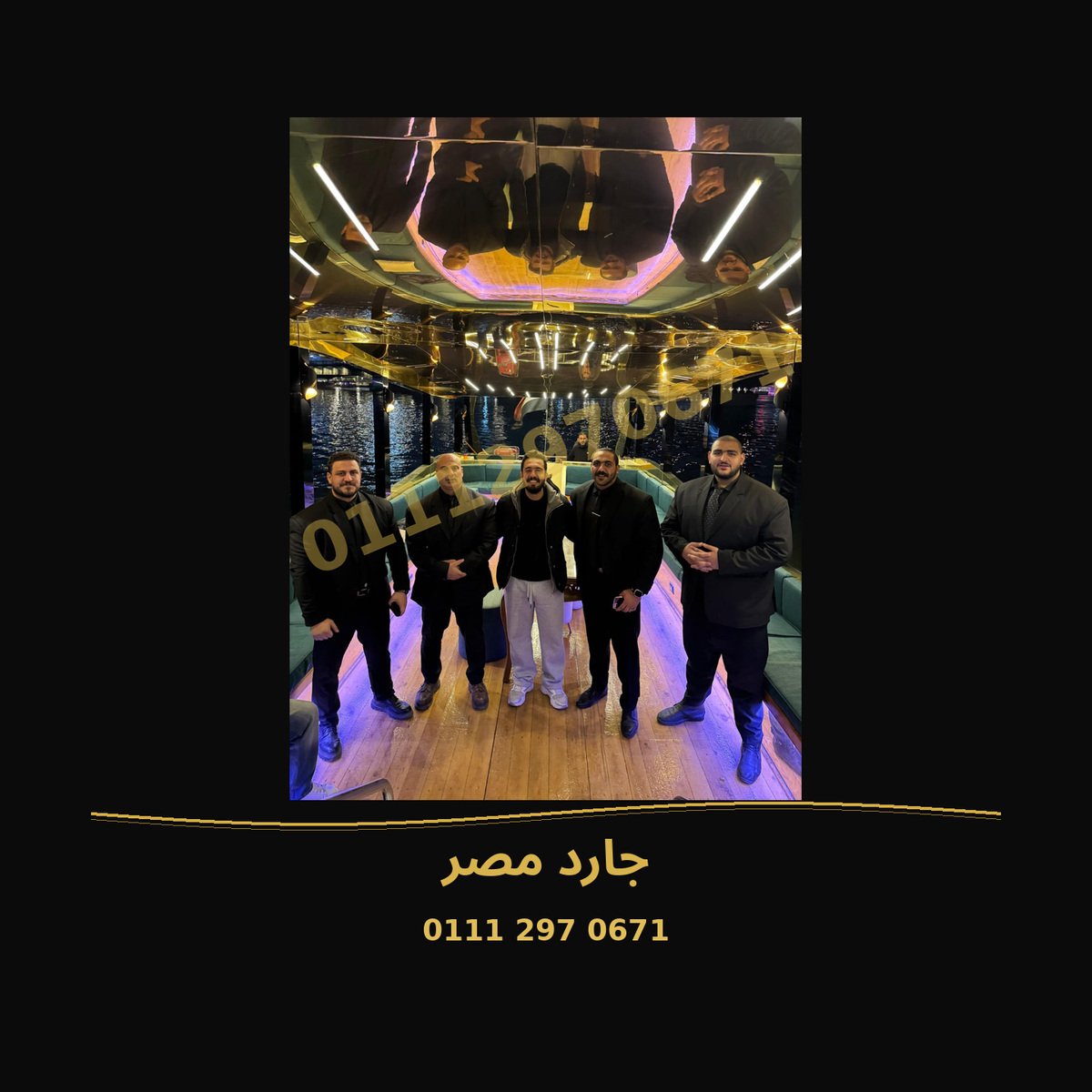
Cairo as a Regional Hub for Global Conventions & Summits
Cairo hosts one of the region’s busiest international conference calendars. Summits, technology exhibitions, medical congresses, real estate showcases, and diplomatic gatherings run in the city year-round, drawing foreign delegates from every region. For the individual attendee, whether a CEO, a speaker, an exhibitor, or a government representative, a Cairo conference is an enormous professional opportunity wrapped in a demanding logistical environment.
The city’s scale is the first thing delegates notice. Distances are long, traffic is genuinely unpredictable, and the major venues sit in districts far from the hotel zones where most international guests stay. Add crowded venue gates, badge queues, dense exhibition floors, and the general intensity of a city of twenty million, and the pattern becomes clear: the delegates who get the most from a Cairo conference are the ones whose movement and time are professionally managed. This is exactly what a personal security escort for conference attendees in Cairo provides.
This guide is written for foreign delegates planning to attend a conference, exhibition, or summit in Cairo. It covers the main venues, the transport equation, the reasons individual delegates increasingly hire dedicated protection, and the practical safeguarding of the devices and documents a business traveler carries.
This guide outlines planning questions for conference travel, including arrival timing, venue access and personal protection. The meeting that happens because you arrived early, the introduction made because you were not fighting the badge queue, the deal kept warm because your evening dinner ran on time. Professional movement and protection buy those margins, day after day, across the whole event.
Major Convention Centers: Egypt International Exhibition Center & Al Manara
Two venues dominate Cairo’s international conference scene. The Egypt International Exhibition Center (EIEC) in New Cairo hosts the country’s largest trade shows and exhibitions, with multiple halls, enormous visitor numbers on public days, and the security screening and access queues that come with them. Al Manara International Conference Center, closer to the airport corridor, hosts summits, congresses, and high-level gatherings, including events with heads of state in attendance, which brings its own layer of security protocol and controlled access.
Both venues share a practical reality for the individual delegate: arrival timing matters enormously. Gates are congested at opening hours, badge collection can consume the first hour of a day, and a late arrival can mean missing a keynote, a scheduled meeting, or a networking window that was the entire point of the trip. A personal protection officer who knows these venues manages the arrival sequence for you: drop-off positioning, gate selection, badge queue handling, and a direct route to your hall or meeting room. Allow time for venue screening, accreditation and queues. A protection arrangement cannot guarantee entry times.
Event days with state-level attendance add another layer: road closures, security cordons, and access rules that change with little notice. Delegates who learn about a closure at the venue gate lose the morning. Ask whether the officer working your schedule can track these changes in advance, reroute the approach, and adjust departure timing so the protocol around the event stays off your desk.
Venue familiarity extends beyond arrival. Knowing which halls feed into which corridors, where the quiet meeting corners are, and how the crowds move between sessions lets the officer route you through the venue efficiently all day rather than only at the door.
Where the event’s accreditation rules permit, an officer can attend with a standard attendee badge and stay close through the exhibition floors and networking lounges, keeping a watchful position during your meetings and booth visits. Confirm how in-venue presence works for your specific event when arranging.
Discretion defines the working style. Conference floors are professional environments, and a good officer blends into them: business dress, an attendee badge, and a low profile that colleagues and counterparts read as an executive assistant rather than security. Your counterparts notice your punctuality and composure, not the professional quietly making both possible.
Managing Movement Between Five-Star Hotels and Venues
The daily hotel-to-venue transfer is where conference schedules are won or lost in Cairo. The city’s traffic does not forgive optimistic timing, and a delegate relying on hailed taxis each morning is gambling with every appointment. Major venues are typically 30 to 60 minutes from the hotel districts, and that range can double at the wrong hour.
With a dedicated escort, the transfer becomes a managed system rather than a daily gamble. Your officer coordinates your vehicle, plans departure times against real traffic knowledge, and adjusts the schedule when a morning keynote or an evening reception changes the equation. Curbside at the venue, he handles the drop-off and pickup choreography so you step out at the right entrance at the right time. At the end of a long conference day, the return to your hotel is equally handled, with no queue negotiation, no price discussion, and no uncertainty about the driver or the route.
Airport days get the same treatment. Confirm the permitted airport meeting point, any luggage assistance and the transfer arrangements in advance. Departure is timed backward from your flight with margin for the airport road, so the trip ends as calmly as it ran.
The same management extends to the rest of a delegate’s movement: client dinners across the city, embassy visits, evening events, and the inevitable last-minute schedule changes that conferences produce. One professional owns your movement for the whole stay, and punctuality stops being something you think about. If you want sightseeing coverage after the conference, agree the added dates, scope, availability and price in advance.
There is a second, quieter benefit to escorted movement: the vehicle becomes usable time. Calls can be taken, notes reviewed, and the next meeting prepared while someone else handles the route and the traffic. Delegates consistently report that the hours reclaimed this way across a three-day event add up to an extra working day, often the difference between a trip that merely happened and one that produced.
Why Individual Delegates Hire Dedicated Personal Protection
Conference security used to be something only delegations and heads of state thought about. That has changed, and the reasons are practical rather than dramatic. Senior executives attending Cairo conferences carry real responsibilities: they are signing partnerships, presenting strategy, and meeting counterparts whose time is as limited as theirs. Anything that disrupts their schedule, their focus, or their peace of mind has a direct business cost.
A personal protection officer removes the three main sources of that disruption. First, time: punctual, managed movement through a difficult city, every day of the event. Second, attention: crowded exhibition floors and public hotel lobbies expose a recognizable executive to constant approaches, and an officer filters that contact professionally so the delegate chooses who gets their time. Third, assets: laptops, phones, documents, and prototypes move with a delegate all day through dense crowds, and an officer’s entire function includes keeping those items secure.
For a delegation, ask the provider to propose staffing and coordination based on the group size and separate schedules. Many companies now treat conference protection in Cairo as a standard line item, in the same category as the booth contractor or the shipping agent, because the return on a smoothly run three-day summit is obvious.
Speakers and panelists feel this most acutely. A keynote slot is fixed and public; arriving flustered after a bad transfer shows. Delegates with an escort walk on stage having thought only about their talk since breakfast. It is a small thing until the day it is the only thing that matters.
Safeguarding Laptops, Sensitive Documents & Personal Devices
The modern conference delegate carries their office on their person. A laptop with the quarter’s strategy, a phone full of contacts and deal correspondence, contracts waiting for signature, sometimes product samples or prototypes worth more than the rest combined. Exhibition halls, badge queues, and networking receptions are precisely the environments where these items are most exposed: bags set down for a moment, devices left on booth counters, jackets hung on chair backs.
A personal protection officer treats asset protection as a core duty throughout the conference day. He maintains sight of your belongings during meetings and meals, manages your bag in crowded halls, and keeps devices attended whenever you cannot. If you step onto a stage to speak, your items are watched. If a meeting runs long in a public lounge, nothing is left exposed. The goal is simple: at no point in the day should the security of your equipment depend on luck.
For exhibitors this extends to the booth itself. During setup days and teardown evenings, when halls are half-empty and materials move in every direction, an officer watching your stand means samples, screens, and marketing stock stay where you left them.
Hotel safety follows the same principle. Your officer advises on room selection and safe use, manages how your schedule and room details are shared, and keeps your accommodation arrangements private, a particular concern for high-profile delegates whose presence at an event is publicly known.
Digital exposure deserves equal attention during conference week. Public venue Wi-Fi, shared charging points, and QR-code-heavy environments all carry familiar risks. While digital security remains your IT department’s domain, the physical side, devices kept attended, screens shielded in public lounges, and sensitive conversations moved away from crowded networking floors, is something to confirm as part of the arrangement.
Booking an Individual Conference Escort in Cairo
Booking a personal conference escort is straightforward, but timing matters: major events concentrate demand, and the best arrangements are made at least one to two weeks before the conference week begins. Contact Gard Egypt with your event name and dates, your hotel, your daily schedule including any evening functions, and any specific requirements such as bilingual support or coordination with a corporate delegation.
Ask how officers with conference-environment experience are assigned, and have the arrangement confirmed in writing before you travel, so that your only concern in Cairo is the business you came to do. For delegations, ask whether multiple officers can be coordinated under a single schedule so the entire group moves as one, from the airport arrival to the final evening reception.
Gard Egypt’s professional personal bodyguard services in Egypt cover conference and summit visits and more, for visitors, families, and business travelers across the country. To book a personal bodyguard or request confidential advice, contact the team with your dates.
For dedicated professional support, explore our dedicated conference, exhibition & summit personal security, and you may also find our guide on practical travel security and protection advice useful.
Frequently Asked Questions
Why do conference attendees hire personal bodyguards in Cairo?
To support on-time transit through busy traffic, move through crowded venue gates with less friction, and help safeguard personal devices and documents.
Can the bodyguard enter convention exhibition halls?
Venue entry always depends on the organizer’s accreditation rules. Where those rules permit it, an officer can attend with a standard attendee badge and remain close by throughout conference floors and networking lounges; confirm the specifics, including business dress, when arranging.
How does the officer handle transport between the hotel and the convention?
The officer coordinates your departure against real traffic conditions, oversees curbside transfers, and plans each journey to help you arrive on schedule.