
Blog
Non-Disclosure Agreements (NDAs) & Confidentiality in Celebrity Bodyguard Services

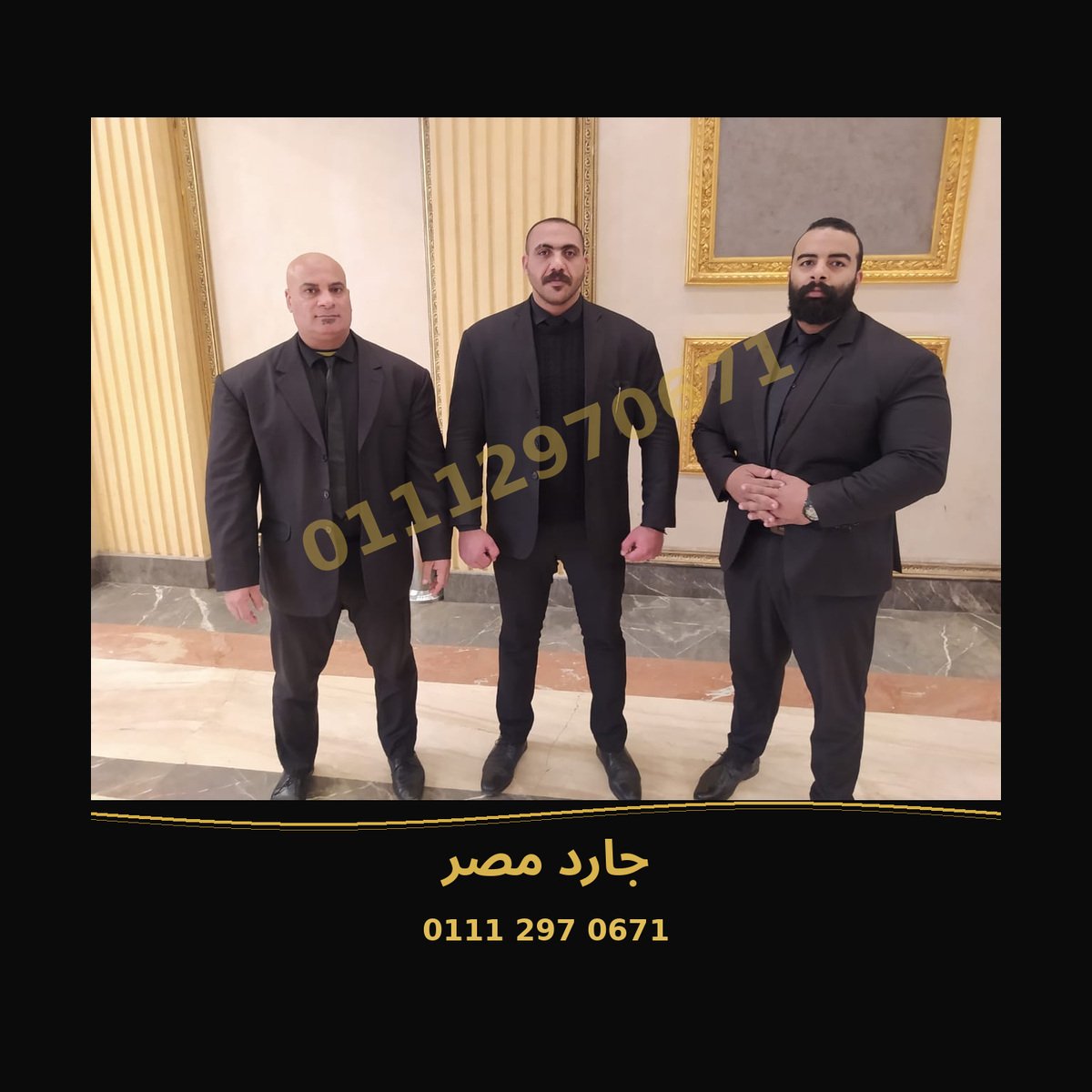
A protection officer standing beside a public figure learns everything: where the client sleeps, who they meet, what they discuss in the car, which doors they use and when. That knowledge is the job’s raw material, and how it is guarded matters as much as any physical skill. Confidentiality is not an extra in personal protection; it is half of what the client is buying. This guide explains how non-disclosure agreements and confidentiality discipline work in celebrity and VIP protection engagements in Egypt, and what clients and management teams should expect when they require them.
Why Discretion is Essential for High-Profile Clients
For a public figure, information is exposure. A hotel name posted at the wrong moment becomes a crowd at the entrance. A travel date shared casually becomes a reception committee at the airport. A photograph of a private dinner becomes tomorrow’s headline, stripped of context and impossible to recall. The damage is rarely dramatic; it is the slow conversion of a private life into public property, one leak at a time.
The protection officer is uniquely placed at the centre of this information. Officers see the schedule, the companions, the moods, the unguarded hours. That position of trust is precisely why discretion is the profession’s first discipline: a client who cannot trust the team’s silence cannot relax inside its protection, and a client who cannot relax has not been protected at all.
Discretion also protects the working relationship itself. Management teams share sensitive logistics only when they are confident the information stays contained; that confidence is what allows the protection plan to be built on complete, honest information rather than a cautious partial version of it.
There is a simple test clients can apply to any protection provider: watch how the provider talks about past clients. A team that trades in names and stories from previous engagements is demonstrating, in the sales conversation itself, exactly how it will treat yours. The right answer to “who have you protected?” is a polite description of capabilities, not a guest list.
Structuring Confidentiality in Personal Protection Engagements
Confidentiality in a protection engagement works on two levels, and serious clients expect both. The first is the agreement: written confidentiality terms, whether a standard undertaking or a formal non-disclosure agreement, executed before the assignment begins. The second is the practice: the daily discipline of officers who do not discuss clients, do not post about assignments, and do not carry the client’s business outside the engagement.
The agreement defines the obligation: what information is covered, who is bound, how long the obligation lasts, and what happens if it is broken. The practice makes the obligation real. A good engagement treats the written terms as the floor, not the ceiling, and the client’s experience of real confidentiality should be that the subject never needs to come up at all.
Duration matters more than clients sometimes expect. The sensitive life of information does not end when the visit does: a hotel preference, a travel pattern, a personal detail remains interesting long after the assignment closes. The confidentiality obligation should therefore outlive the engagement, and the terms are settled with that in mind.
When you enquire about an engagement, the confidentiality terms available, and the form they take, are part of the conversation and are confirmed in writing before the assignment starts.
The two levels reinforce each other. A signed agreement may set out confidentiality duties. Its legal effect depends on its terms and applicable law; ask a qualified adviser if you need legal advice. Clients evaluating a provider should ask about both, because a signed agreement with a loose culture is worth little, and a careful culture with no written obligation leaves the client dependent on goodwill alone. The strongest engagements have both, settled before the first sensitive detail changes hands.
Protecting Travel Itineraries, Locations & Personal Details
The information a protection engagement touches falls into a few sensitive categories, and each has its own discipline. Travel itineraries are the most acute: flights, arrival times, hotels and movement schedules are the keys to the client’s location, and they are shared on a strict need-to-know basis, through agreed channels, with the minimum circulation the plan requires.
Locations come next: the residence or hotel, the regular venues, the favourite restaurants. These are protected by habit as much as by rule: arrangements are made without unnecessary naming, reservations use agreed conventions where appropriate, and the client’s patterns are not discussed with venue staff beyond what each arrangement needs.
Personal details, the client’s companions, conversations, family matters and private moments, are simply not material for anyone outside the engagement. Officers do not trade in them, and the culture of a professional team treats such talk as the one unforgivable breach.
Vehicle time deserves a special mention, because the car is where clients talk most freely. Conversations in the vehicle are private by definition: the officer hears them only as part of the environment being protected, and they go no further, ever. Clients should feel that the car is as private as their own sitting room, because professionally, it is.
Clear Guidelines Against Photography or Social Media Disclosures
The modern leak is usually a phone. A selfie near the client, a story geotagged at the hotel, a casual post about a famous name, any of these can undo a carefully managed visit in seconds. For that reason, professional protection teams operate under explicit rules about photography and social media, and clients should expect those rules to be stated plainly before the assignment begins.
The substance of such rules is simple: no photographs of or around the client, no posting about the assignment, no location tags, no comments on the client’s presence, during or after the engagement. The client’s own publicity, where it exists, is the client’s to control; the team’s silence is what makes that control possible.
The specific conduct standards for your engagement, including photography and social media restrictions, are set out and confirmed when the assignment is arranged.
These rules extend naturally to the team’s own communications during the assignment: movement updates and coordination pass through the agreed channels, not personal accounts or public platforms. The client should be able to open any social feed during the visit and find no trace of the team at all.
Accommodating Custom Client-Provided NDAs
Celebrity management teams and corporate legal counsel often have their own confidentiality documentation, drafted for their client’s specific circumstances. A professional protection provider should be able to receive, review and execute client-provided agreements as part of setting up the engagement, and to align the team’s practices with what the document requires.
If your management team prefers to work under your own NDA, raise it at the enquiry stage and ask directly whether the document can be reviewed and the confidentiality framework settled before any sensitive logistics are exchanged. Whether the agreement you need, in the form you need it, can be part of the engagement is a question to settle at the start, not an obstacle to expect.
What matters is that the confidentiality framework, standard or custom, is settled early. The first sensitive detail should cross only after the obligation protecting it is in place.
Where legal counsel is involved on the client side, the review conversation happens directly with them, so the executed document reflects exactly what their client requires rather than a negotiated approximation of it. This is routine work in serious engagements and adds little time when it is started early in the planning conversation.
The same flexibility applies to scope: some clients need confidentiality to cover family members, guests, business discussions overheard in transit, or the very existence of the engagement. These points are all addressable in the framework, and they are always best raised explicitly rather than assumed, so the written terms match the client’s actual exposure precisely.
It is also worth saying what confidentiality is not. It is not secrecy from the client’s own team, and it is not a barrier to coordination: the whole point of a settled framework is that the client’s management, family office or production team can share freely inside it. Good confidentiality makes honest planning possible; it does not get in its way.
Establishing a Confidential Protection Detail in Egypt
Setting up a confidential protection detail follows the same shape as any engagement with us, with the confidentiality framework settled at the front of the process rather than appended to it. The opening conversation covers the client’s profile, the visit or stay, the visibility preferences, and the confidentiality requirements, including the question of an NDA, which the client should ask about explicitly. The arrangement is then documented: the officers, the schedule, the conduct standards, and the confidentiality terms, all confirmed in writing before the assignment begins.
Discretion runs through the engagement from that very first conversation onward. Enquiries themselves are handled privately, and the client’s identity and plans are protected from the very first message onward. Lead time helps, particularly around festival seasons and major events, so current availability is always worth confirming as dates take shape.
For management teams handling several visits, the framework can be set up once and reused: the agreement, the conduct standards and the contact points established for the first engagement carry into the next, so a returning client’s detail starts at full readiness rather than from a blank page.
Contact us in confidence with your dates and requirements, and we will respond with a discreet proposal. You can also browse our services for the full range of personal protection in Egypt.
For dedicated professional support, see our dedicated celebrities, artists & public figures protection, and you may also find our guide on practical travel security and protection advice useful.
Frequently Asked Questions
Can clients request a Non-Disclosure Agreement (NDA)?
Ask directly. Whether confidentiality terms, including formal NDA arrangements, can be settled as part of arranging the engagement is a question for the enquiry stage, before the assignment begins, and the answer should be confirmed to you in writing.
Are bodyguards permitted to disclose client locations or photos?
Client schedules, locations, photographs and personal interactions are treated as confidential, and the conduct standards for the engagement, including social media restrictions, are set out before it begins. The expectation is total discretion, during and after the assignment.
Can our management team provide our own legal agreement?
Ask whether client-provided confidentiality agreements from management or legal counsel can be reviewed and executed as part of setting up the engagement. Raise the document at the enquiry stage so the answer and the framework are settled in writing before any sensitive details are exchanged.