
Blog
Moving Discreetly: Low-Profile Bodyguard Techniques for Famous Visitors

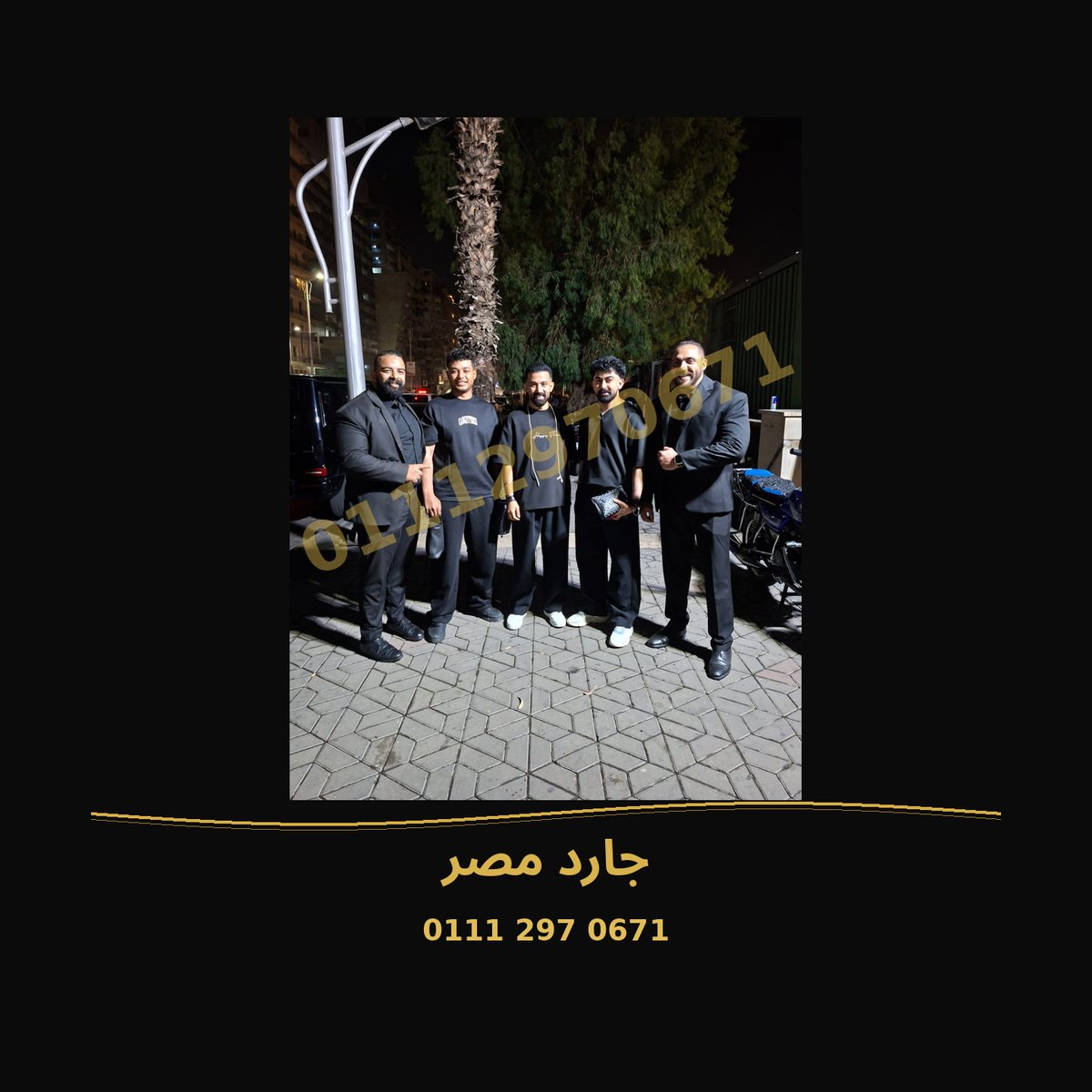
Fame changes the arithmetic of being in public. A stop for coffee that would be nothing for most visitors becomes a calculation for a recognizable face: who will notice, how quickly a crowd forms, and how an unplanned moment becomes a video that travels further than the trip itself. Egypt’s great sights, from the Pyramids plateau to the halls of the Grand Egyptian Museum, are worth experiencing properly, and the way well-known visitors get to do that is usually not with more visible security, but with smarter, quieter security. This guide explains how low-profile close protection works in Egypt, and what famous visitors and their teams can ask for when arranging it.
Experiencing Egypt Without the Distraction of Public Crowds
The purpose of a low-profile detail is simple: the client experiences the place, not the protection. When an escort works properly, the day’s memories are of the museum gallery, the felucca on the Nile, or the old café in Khan el-Khalili, not of being managed, moved, or stared at. Protection that dominates the client’s attention has failed at half its job, no matter how safe it keeps them.
Crowds in Egypt behave in recognizable ways. Attention gathers slowly at first, one person recognizing a face, then a small cluster, then phones rising. A low-profile team watches for the early stages of that pattern and steers gently before it matures, shifting the client’s position a few meters, moving a conversation to a quieter corner, or timing a departure ten minutes earlier than planned. The client often never learns a decision was made.
This style of work suits leisure visits especially well. A famous visitor on holiday wants to feel like a guest, not an exhibit. The protection plan is built around that feeling, and the measures that create it are mostly invisible by design.
Why Highly Visible Security Can Attract Unwanted Attention
It feels natural to assume that more visible security means more safety. In many public situations the opposite is true. A tight phalanx of large men in matching suits, earpieces visible, scanning the room, announces to everyone present that somebody important is nearby. The announcement draws exactly the attention the client came to avoid.
Visible security also changes how a crowd behaves once it gathers. Onlookers read a heavy detail as confirmation that the person is worth photographing, and some read it as a challenge. The resulting scene, a famous face surrounded by an obvious wall of protection, is precisely the image that travels on social media and defines the visit in public memory.
There is also a practical cost. Highly visible protection changes how venues, hotel staff, and the public treat the client: staff gather, managers hover, other guests watch, and the visit becomes about the security rather than the experience. Quiet coverage avoids that cascade entirely, because nothing about the party announces itself.
None of this means visible security is wrong. Certain moments call for it: arrivals at announced events, red carpets, high-density festival crowds. The skill is matching the profile of the protection to the moment, and knowing when quiet coverage protects both safety and privacy better than presence does.
Low-Profile Methods: Casual Dress, Spatial Distance & Observant Escorts
Low-profile protection is a set of disciplines, not a costume, but the visible elements matter. Officers dress for the environment: casual clothing appropriate to the venue, nothing that reads as a uniform, no visible equipment. In a hotel lobby they look like guests. On a Cairo street they look like companions. The client should be the least conspicuous person in the party, and the escorts the second least.
Distance is the second discipline. Rather than walking shoulder to shoulder, officers hold positions a few paces away, ahead, behind, or off to the flank, close enough to reach the client in a moment, far enough that a casual observer sees no connection between them. The formation breathes: it tightens in crowds and loosens in open space, and it changes constantly so that no pattern is obvious to anyone watching.
The third discipline is observation. A low-profile officer’s real work is looking: reading the crowd ahead, noting who has noticed the client, spotting the phone held at an unusual angle, catching the group whose attention is turning from curiosity to approach. Good observation means problems are answered while they are still small, usually with nothing more dramatic than a change of direction.
Vehicles and arrivals get the same treatment. Where the itinerary allows, arrivals and departures use ordinary entrances at ordinary moments rather than staged front-door scenes, and the car is positioned so the client’s step from door to seat is short and unhurried. Small choices, repeated all day, are what keep a well-known face unremarkable in public.
Communication stays quiet too. Officers coordinate discreetly, and the client is briefed on simple signals before the day begins, so an adjustment to the plan never requires a discussion in public.
Visiting Iconic Sites (Museums, Pyramids, Cafes) Without Being Noticed
Each of Egypt’s landmark environments has its own rhythm, and a low-profile plan uses that rhythm. The Pyramids plateau is at its quietest early in the morning, before the tour buses arrive; a visit timed for opening hours, moving against the flow of the crowds, gives a famous visitor space that no afternoon schedule can. Site arrangements and access details are confirmed with the relevant venue or authorities as part of planning, since conditions and rules change.
Museums reward the same approach. Early entry, a route planned through the quieter galleries first, and an escort that reads as a companion rather than a guard let the client stand in front of an exhibit as long as they like. In cafés and restaurants, the choices are smaller but just as effective: a table with the client’s back to the room, an officer positioned at a nearby table rather than standing over the party, an exit path noted on the way in.
Shopping districts and bazaars are the hardest environment, because they are dense, slow, and built for stopping. Here the plan leans on movement: browsing that keeps flowing, purchases arranged to be completed quickly or delivered later, and escorts who close the distance naturally whenever the party pauses. The client’s experience stays relaxed because the adjustments are made around them, not announced to them.
Timing is the quiet hero of every one of these environments. The difference between a crowded landmark and a comfortable one is often ninety minutes, and a plan built around opening times, prayer-time lulls, and the ebb of tour groups gives a famous visitor room to breathe that no formation of officers could create on its own.
Rapid Transition: From Quiet Escort to Active Protection
Low profile does not mean low readiness. The same officer who appears to be a relaxed companion is, at every moment, tracking the environment and holding a plan for what happens if the situation changes. The transition from quiet escort to active protection is meant to be immediate and, where possible, calm: the distance closes, the client’s path is cleared, and the party moves, firmly and without drama.
Most transitions are small. A recognized face and a gathering crowd usually call for nothing more than a smooth early departure through a route that was already scouted. The point of the low-profile method is that the plan for leaving exists before the reason to use it does.
What the transition involves in any given engagement is settled in the planning conversation, matched to the client’s profile, the venues, and the team’s assessment, and confirmed when arrangements are made.
Discretion extends to the client’s own party. Managers, friends, and family traveling with a famous visitor are briefed on the same quiet habits: no geotagged posts during the visit, no announcing plans in public, and photos shared after the party has moved on. The escort can only control the environment; the party’s own discipline keeps the client’s location from traveling ahead of them.
When recognition does happen, and occasionally it will, the goal is a moment, not a scene. A friendly acknowledgement, a photograph if the client chooses, and a smooth continuation of the day handles most encounters better than any barrier. The officers stay close, stay relaxed, and let the client set the tone, stepping in only if the moment begins to grow.
Enjoying Egyptian Culture in Complete Peace
The measure of a low-profile detail is what the client remembers. Egypt offers famous visitors the same things it offers everyone: extraordinary history, warmth, food, music, and streets full of life. With quiet, observant protection, a well-known guest can take part in all of it, sitting in an old café, walking a market, watching the sun drop behind the Pyramids, without the visit becoming a public event.
That outcome is planned, not lucky. It comes from dress, distance, observation, timing, and venue knowledge working together, and from a team that treats the client’s privacy as part of their safety. For public figures who also need discretion around schedules and movements, our piece on verifying bodyguard credentials in Egypt covers how to evaluate a provider before entrusting it with that level of access.
Ask Gard Misr about low-profile personal protection for well-known visitors across Egypt, shaped around each client’s itinerary, profile, and preferences. To discuss how a discreet escort could work for an upcoming visit, contact our team or explore our services; availability for specific dates is confirmed when you enquire.
For dedicated professional support, see our dedicated celebrities, artists & public figures protection, and you may also find our guide on practical travel security and protection advice useful.
Frequently Asked Questions
Can a famous person visit the Pyramids without drawing a crowd?
Often, yes, with planning. Casual dress, quiet morning timing, a route that moves against the main flow, and low-profile officers walking nearby give well-known visitors a far more comfortable experience than an unplanned midday arrival. Crowd conditions vary by day and season, so current timing advice is part of the planning conversation.
How far does a low-profile bodyguard walk from the client?
Typically a few paces behind, ahead, or alongside, close enough to intervene immediately, far enough to allow the client personal space and a normal public appearance. The exact formation adjusts constantly to the environment, tightening in crowds and loosening in open areas.
What happens if someone recognizes the client?
The officers read the situation and respond proportionately. In most cases recognition stays friendly, and the escort simply stays attentive while the client decides how to handle the interaction. If attention begins to build, the team closes the distance and guides the party onward smoothly, usually before a crowd has time to form.