
Blog
Key Questions to Ask Before Hiring a Bodyguard in Cairo

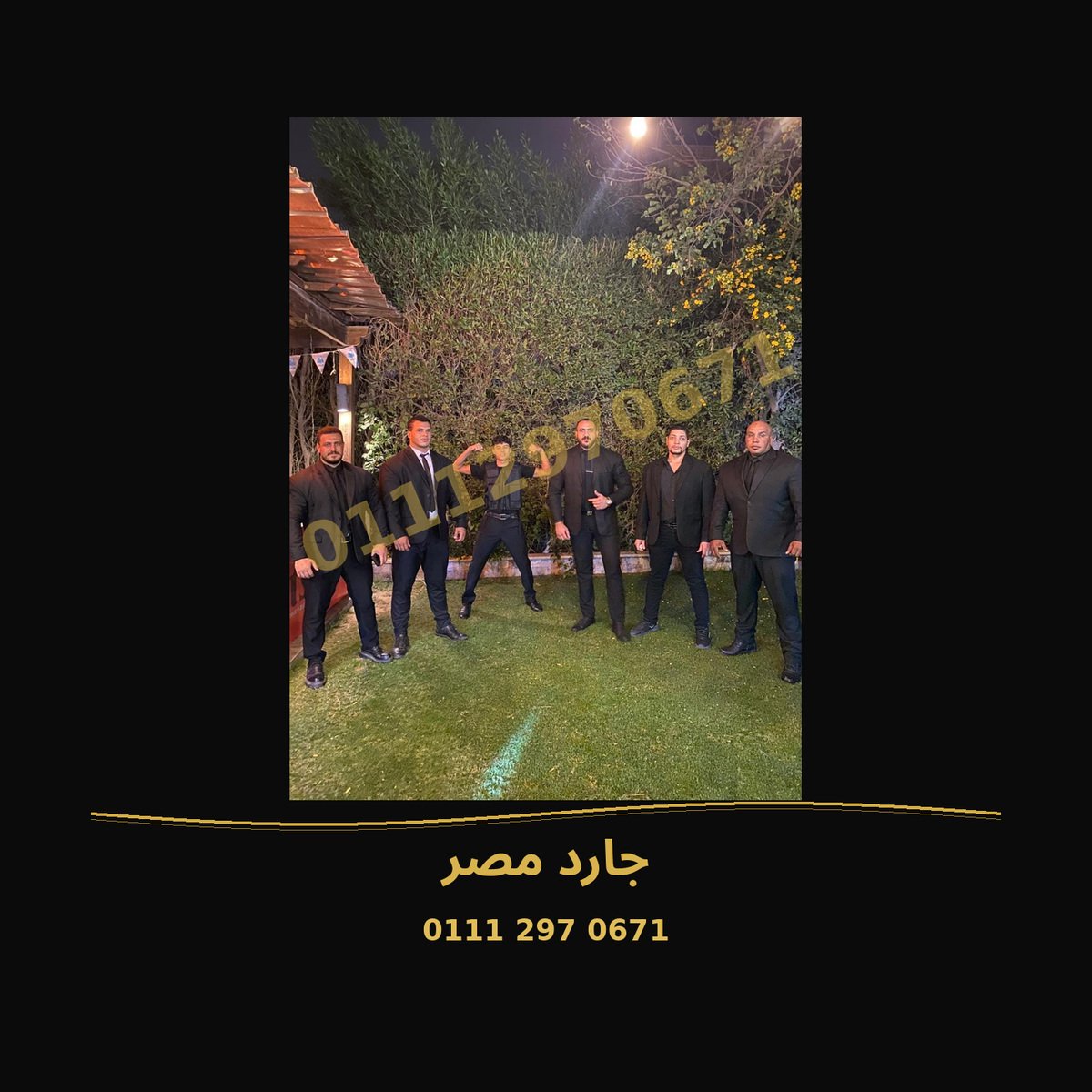
The difference between a smooth protected visit and a difficult one is usually decided before anyone is hired. Cairo has no shortage of people offering personal security, and from a distance they can look remarkably alike: a confident manner, a large frame, a phone number. What separates a genuine close protection professional from an unvetted doorman is invisible until you ask the right questions, and asking is entirely your prerogative. This guide sets out the questions foreign visitors should put to any provider before hiring a personal bodyguard in Cairo, and what good answers sound like.
Ensuring You Hire a Real Professional, Not an Unvetted Bouncer
Personal protection is a discipline, not a physique. A professional close protection officer plans routes, reads environments, coordinates with venues, manages privacy, and stays invisible until the moment something requires them. A bouncer, however imposing, is trained for a door, not for a traveling client. The two look similar across a hotel lobby and are entirely different on a moving itinerary.
The encouraging news is that the difference surfaces quickly under questioning. Professional providers welcome informed clients, because informed clients value what the work actually involves. Vague operators rely on clients not knowing what to ask. Every question in this guide is one a legitimate company will answer comfortably and specifically, in detail, without defensiveness.
Keep the tone conversational. You are not conducting an interrogation; you are having the kind of discussion any serious provider has with clients every week. The quality of the answers, and the ease with which they come, tells you most of what you need to know.
Question 1: How Are Your Protection Officers Screened and Vetted?
Start with the people. Ask how the company selects its officers: what background checks are performed, what prior experience is required, and how performance is reviewed over time. A serious provider describes a process, with stages and standards, not a shrug and an assurance that their people are good.
Follow up on supervision. Who oversees the officers during an engagement? Is there an operations desk that knows where each team is and reviews how assignments are going? A company structure behind the individual officer is what turns a person into a service.
Good answers name specifics: where officers come from, how they are evaluated, and what happens when one does not meet the standard. Vague answers about trust and long acquaintance are a signal to keep looking.
It is also reasonable to ask for references in general terms. A provider may not be able to name past clients, and discretion forbids the best ones from doing so, but they can describe the kinds of engagements they run and the regions their clients come from. The shape of that answer, confident and concrete without naming names, is exactly what you want to hear.
Question 2: Are Your Officers Fluent in English?
Language sounds like a comfort issue until the first moment it becomes a safety one. Your officer needs to understand your instructions immediately, brief you clearly each morning, and hear what is said around you. Ask directly whether the officer assigned to you will be fluent in English, or in whichever language you work, and ask for that to be confirmed when arrangements are made rather than assumed.
Ask the same question about the coordination layer behind the officer. When you message the company at midnight with a change of plan, who reads it, and in what language? Fluency at the desk matters as much as fluency beside you.
Ask, too, how the language question interacts with low-profile work. An officer who blends into your party as a companion needs to converse naturally with you in public, and that casual fluency is a different level again from operational comprehension. Mention if the visible-companion style matters to you, so staffing accounts for it.
Question 3: What Experience Do They Have with Foreign Clients?
Working with international visitors is its own skill set. Foreign clients carry different expectations about privacy, personal space, communication style, and daily rhythm, and an officer experienced with them anticipates rather than adapts. Ask how often the company works with visitors from your region, and what their officers understand about the expectations that come with that.
Local knowledge is the other half of the same question. An officer who knows Cairo deeply, its districts, traffic patterns, venues, and rhythms, protects differently from one who simply lives there. Ask how the team prepares for your specific itinerary, and listen for answers that mention your actual hotels, routes, and venues rather than generalities.
One more angle on experience is worth surfacing: itinerary variety. Cairo days rarely follow a single pattern. A morning of meetings, an afternoon at the Pyramids, an evening event, each asks something different of the team. Ask how the company handles days that mix business, sightseeing, and social engagements, and whether the same officers adapt across all three. Providers with real depth answer from habit, not theory.
Question 4: How Do You Handle Confidentiality & Non-Disclosure?
Your protection team will know your schedule, your companions, your conversations, and your habits. Ask how that information is treated: what confidentiality practices the company follows, whether written confidentiality terms are available if you want them, and what expectations officers work under regarding client privacy. The form any terms take is settled when arrangements are made, but the provider’s attitude to the question is visible immediately.
A good answer treats your privacy as part of your safety, not an administrative extra to be handled later. A poor answer treats the question as odd. If discretion matters to you, whether for business, family, or public profile, this is the question that reveals whether the provider sees it the same way.
Families should add one more question here: experience with children. Protecting a party that includes young travelers calls for patience and judgment that differ from adult-only work, and providers who do it well describe it readily. If your party includes children, make the question explicit rather than assuming the answer.
Questions 5-10: City Knowledge, First Aid Training, Operations Support & Replacement Guarantees
The remaining questions round out the picture. Five: ask about medical readiness, what first aid training officers hold, and how medical situations are handled on the move. Six: ask about the operations support, whether the company runs coordination around the clock and how you reach it. Seven: ask what happens if your officer falls ill or is unavailable mid-engagement, and whether a replacement can be provided and how quickly that is arranged in practice.
Eight: ask how the team coordinates with hotels and venues on your itinerary, and whether they do so in advance. Nine: ask how changes are handled, the late dinner, the extra stop, the cancelled day, and whether flexibility is built into the working pattern. Ten: ask what the first day looks like, from the airport meeting onward, because a provider who can describe day one in detail has run it many times before for clients just like you.
Across all ten, the pattern to listen for is specificity. Real operations produce concrete answers; only improvised ones produce generalities.
After the answers, ask for the engagement to be confirmed in writing: the dates, hours, scope, and terms. Written confirmation is where good answers become accountable ones, and any provider comfortable with the ten questions above will be equally comfortable putting the conclusions on paper before you travel.
A practical tip for this stage: write the questions down before the call and note the answers as they come. When you speak to two or three providers, the notes let you compare like with like afterward, and the differences become obvious on paper. Providers who answered vaguely blur together in memory; the one who answered everything in specifics stands out.
Do not overlook your own comfort in the conversation. You will spend days in close proximity to your officer, so the interpersonal fit matters. A provider who listens carefully at this stage, asks about your preferences unprompted, and remembers details between messages is demonstrating the working style you will live with on the ground.
Choosing a Partner You Can Trust in Cairo
By the end of these questions, you will know something more valuable than any single answer: you will know how the provider thinks. Companies worth hiring answer with structure and detail, welcome the scrutiny, and often add things you had not thought to ask, because they have done the work long enough to know what matters.
Gard Misr welcomes every one of these questions from prospective clients, and answers them in the same detail before any engagement begins. To start the conversation for an upcoming visit, contact our team, or review our services and our guide on verifying bodyguard credentials in Egypt first.
One question clients often forget to ask is the simplest: what does the provider need from you? Good companies answer immediately, with a short list: your itinerary, your party, your preferences, and honest notice when plans change. That answer matters because it shows the engagement is a collaboration, and collaborations run on both sides doing their part. A provider who wants nothing from you is planning to improvise.
For dedicated professional support, see our personal bodyguard and close protection services in Egypt, and you may also find our guide on practical travel security and protection advice useful.
Frequently Asked Questions
Why should foreign visitors hire an established agency rather than an individual?
An established company can provide structure an individual cannot: personnel selection, supervision during the engagement, replacement backup if an officer is unavailable, and coordination that answers at any hour. With an individual, every one of those safeguards depends entirely on one person’s availability and goodwill, and disappears the moment that person is sick, delayed, or simply unreachable.
What first aid training should a bodyguard have?
Ask the provider directly what medical training their officers hold and how medical situations are handled during engagements. A professional company answers specifically and treats the question as routine; the details of training and readiness are confirmed when arrangements are made.