
Blog
What to Expect from Your Close Protection Officer in Egypt

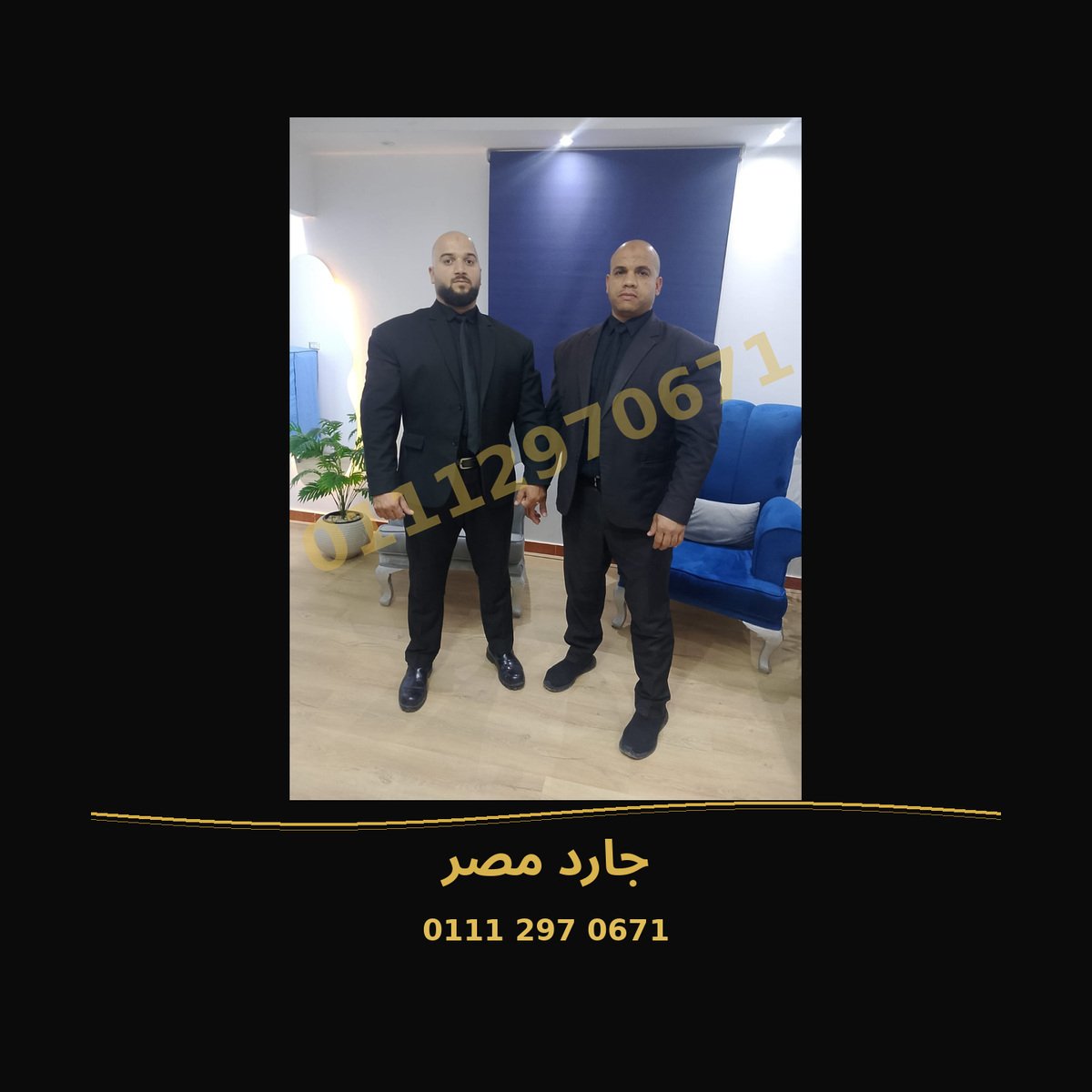
For most first-time clients, the biggest unknown about hiring a close protection officer is not the booking process but the day itself: what will this person actually do beside me, hour by hour, and how much will they reshape my trip? The honest answer is that a good CPO changes far less than people fear and handles far more than people notice. This guide walks through a typical day with a close protection officer in Egypt, from the morning briefing to the evening handover, so you arrive knowing exactly what to expect.
The Daily Working Relationship with a Personal Bodyguard
The relationship runs on a simple principle: you live your day, and the officer makes that possible. They are not a tour guide, a companion you must entertain, or a supervisor of your choices. They are a professional whose attention stays on the environment so yours does not have to. Most clients find that after the first morning, the officer’s presence stops feeling unusual and starts feeling like the way travel should work.
Communication sets the tone. You agree at the outset how you want things to run: how much briefing you like, how you prefer changes raised, and how much conversation suits you. Some clients want a running commentary on the plan; others want silence unless something needs deciding. Professional officers adapt to either, and the first day establishes the pattern.
What the officer never does is relax their attention. Even at the quietest café table, part of their mind is on the room, the entrances, and the route back to the car. That constant, low-key vigilance is the service, even when nothing visible is happening.
New clients sometimes worry about the social side: is it awkward to be accompanied all day? In practice the awkwardness lasts about an hour. Officers should be chosen for presence and judgment as much as for capability, and part of that judgment is knowing when to be near and when to be background. Most clients are surprised by how ordinary the arrangement feels by the first afternoon.
Morning Briefing: Reviewing the Daily Schedule & Routes
The day begins with a short briefing. The officer confirms the day’s schedule as they understand it, flags anything that has changed since last night, traffic, an event near one of your stops, a venue that called, and agrees the first movement with you. The whole exchange usually takes a few minutes and often happens over your coffee or on the walk to the car.
This is your moment to steer. Add the errand you remembered overnight, drop the stop you have lost interest in, shift the lunch reservation. The officer absorbs the changes and quietly re-plans around them; routes, timing, and positioning adjust in the background while your day stays yours.
Behind the briefing sits overnight preparation. Ask how the next day’s route and schedule are reviewed and who coordinates changes within your agreed service.
Worth knowing too: the officer’s own logistics are invisible to you by design. Their meals, rest, and relief are planned around your schedule so coverage stays continuous. The aim is that you are not asked to wait while arrangements are made; the arrangements are made before you need them.
Escort Dynamics: Door-to-Door Escort & Walking Formations
Moving between places is where you will notice the officer most, and even then the mechanics are subtle. From hotel door to car door, from car door to venue entrance, the officer manages the transitions: positioned to see what is around you, close enough to guide, unhurried enough that the movement looks like an ordinary walk rather than an operation.
On foot, the formation depends on the environment and your preference. In open, quiet areas the officer may walk a few paces off your shoulder, reading the space ahead. In crowds they close the distance, and you may find the route through a busy market somehow keeps opening in front of you. That is deliberate, and it is done without touching, directing, or hurrying you unless a moment genuinely calls for it.
Vehicles follow the same principle. The officer coordinates pick-up points so your exposure at the curb stays short, and plans drop-offs so you step out where the entrance is a few steps away. You will rarely wait on a pavement; when you do, someone is watching while you wait.
Meetings & Dining: Respecting Your Privacy While Staying Vigilant
Clients ask about meals and meetings more than anything else, and the answer is simpler than expected: your privacy inside them is yours. At a restaurant, the officer typically takes a position with a clear line of sight to you, often a nearby table, close enough to watch the room, far enough that your conversation stays private. They do not join the meal unless you invite them, and many clients do invite occasionally; the choice is entirely yours.
In business meetings the pattern is similar. The officer waits outside or in a designated area, knows when you are due to finish, and is positioned when you emerge. What is said in the room stays in the room; the officer’s concern begins at its door.
The same discretion applies socially. Friends joining your table, a private family conversation, a phone call you step away to take: the officer reads these moments and gives them room. Vigilance does not require proximity, and professionals know the difference.
Airport and station pickups have their own well-practiced version of the same dynamics. The officer is positioned before you exit, the walk to the vehicle is short, and the luggage is handled while you move. After a long flight, the whole sequence takes minutes and asks nothing of you except to follow.
Shopping stops are another place the dynamics show. The officer notes the entrances when you enter, keeps an unobtrusive position while you browse, and manages the bags and the car at the end so the stop ends as easily as it began. Crowded bazaars get a closer, quieter version of the same pattern, with the route through the crowd gently opening ahead of you.
Evening Handover & Hotel Security Protocols
The day closes as deliberately as it opened. When you are settled at your hotel or residence for the night, the officer confirms the evening arrangement with you before standing down: what tomorrow’s first movement is, how to reach the team overnight, and anything that needs noting about the hours ahead.
Overnight arrangements vary with the engagement. Agree the evening stand-down time, any overnight coverage and the after-hours contact route before the engagement begins. Service is available 24/7; the support included in your arrangement should be confirmed directly. For others, where the client prefers or the itinerary suggests it, coverage continues overnight in one form or another; the shape of that coverage is settled when the engagement is arranged and adjusted as the visit evolves.
Before the officer stands down, confirm who you can contact and what support is included outside the booked hours. The point of the evening handover is that you know exactly who to call and what happens if you do, long before you ever need to.
Evenings out follow the day’s same principles at a different tempo. Dinner venues are noted in advance, tables are chosen with the room’s layout in mind, and the return journey is planned before the dessert arrives. Late nights are ordinary work for a protection team; the only thing they ask is to know the plan, and to hear it again if it changes.
Maintaining a Smooth, Productive Protective Detail
Across a multi-day engagement, the days start to run on rhythm. Briefings get shorter because understanding grows; the officer learns your pace, your preferences, the shops you linger in and the ones you pass; you learn to trust the plan enough to stop thinking about it. By about day three the protection typically fades into the background, not because it has stopped, but because it has become natural.
Your part in keeping it smooth is small but real: share changes as they occur to you, mention anything that felt off during the day, and treat the officer as the professional they are. The engagement works best as a collaboration, and the best-protected clients are consistently the ones who talk openly.
Ask Gard Misr whether their close protection officers work this way, shaping each day around the client’s schedule and style. To discuss what an engagement would look like for your trip, contact our team or explore our services.
If children are part of your trip, expect the officer to adapt to them too: a patient presence at kid-paced attractions, an extra eye by the pool, and a calm adult the children grow comfortable around within a day. Family engagements have their own gentle rhythm, and experienced officers settle into it naturally.
For dedicated professional support, explore our personal bodyguard and close protection services in Egypt, and you may also find our guide on practical travel security and protection advice useful.
Frequently Asked Questions
Does the bodyguard eat meals with the client?
Typically not, unless invited. Officers usually take a position nearby with a clear line of sight, preserving your privacy at the table while staying attentive to the room. Many clients invite their officer to join occasionally, and the choice is always yours to make.
Where does the bodyguard stay during hotel overnights?
It depends on the engagement and your preference. Overnight arrangements, from officers staying close by to evening stand-down with a reachable contact point, are settled when the engagement is arranged, and you can adjust the pattern during the visit if your needs change.
Will the officer’s presence feel intrusive on a private trip?
Most clients find the opposite within a day. The officer’s working style is calibrated to yours: close when the environment calls for it, background when it does not, and silent unless something needs saying. The arrangement is built to protect your privacy as well as your safety, and the fit is reviewed as the engagement runs.
Can I ask my officer to run errands or handle logistics?
The officer’s first responsibility is always your safety, and nothing is allowed to compromise that. Within that boundary, officers routinely smooth the small logistics of a day, coordinating with drivers, venues, and hotel staff, so your schedule runs without friction. Anything beyond that is best raised with the provider when arranging the engagement.