
Blog
How to Hire a Personal Bodyguard in Egypt: Foreign Visitor’s Guide

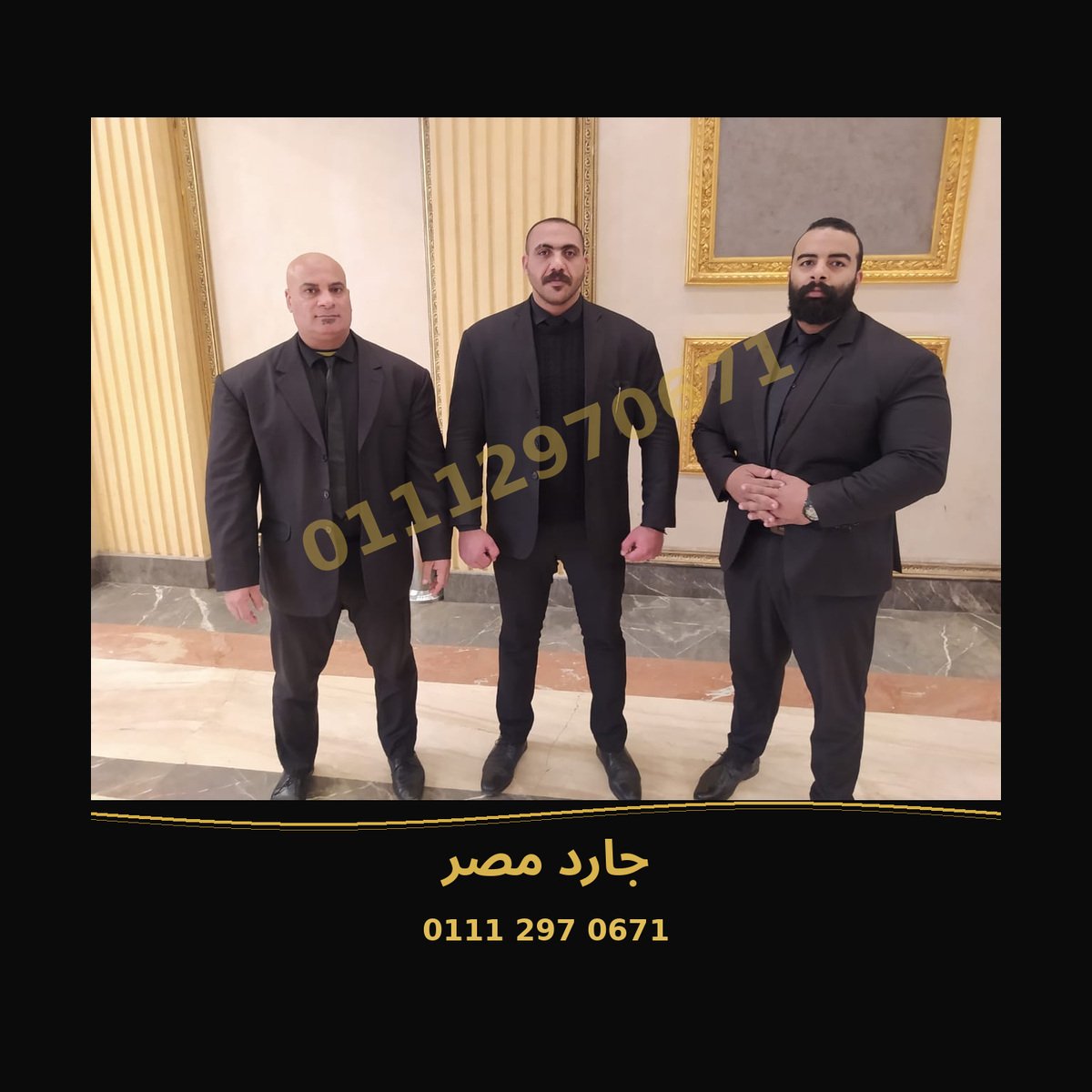
Arranging personal protection in a country you are visiting for the first time can feel uncertain: who is legitimate, what information they need, how long it takes, and what the engagement will actually look like on the ground. The reality is simpler than most first-time clients expect. Hiring a personal bodyguard in Egypt follows a clear sequence, and a professional provider guides you through it step by step. This guide walks through that sequence for foreign travelers, corporate visitors, and families, so you arrive knowing exactly how the process works and what to prepare.
The Process of Arranging Personal Protection in Egypt
Personal protection in Egypt is a planned service, not a transaction. The provider’s job is to match officers, vehicles, and planning to your specific itinerary and profile, and that matching takes a conversation, not just a booking form. The process typically moves through five stages: defining your needs, choosing a provider, sharing your travel details, reviewing a tailored plan and quotation, and meeting your assigned officer on arrival.
Each stage is quick when you come prepared. Most of the time in the process is spent on the provider’s side, building the plan around your movements; your side of the work is a handful of messages and one clear brief. The earlier you start, the more options remain open, particularly for multi-day coverage, intercity travel, or specific requests such as a female officer or a bilingual escort, where availability is confirmed when you enquire.
Step 1: Defining Your Operational Needs (Itinerary, Hours, Male vs Female CPO)
Before contacting any provider, sketch your needs on one page. Start with the itinerary: arrival date and airport, the cities you will visit, the hotel or residence, and the fixed points such as meetings, events, or family occasions. Add the hours: full-day coverage from morning to evening, coverage for specific outings only, or around-the-clock presence, with service available 24 hours a day, seven days a week. Note the party: who is being protected, their ages, and any particular considerations.
Then note preferences. Some clients prefer a low-profile escort in casual dress; others want a visible, formal presence. Female clients and families sometimes specifically request a female close protection officer, and delegations may need more than one officer or a dedicated vehicle. None of these requests is unusual, and raising them at the start is far easier than adjusting a plan later.
Finally, be honest about the reason for protection. A business delegation with a fixed schedule, a family on holiday, and a public figure with media exposure are three different assignments, and the plan differs accordingly. You do not need to diagnose risks yourself; you need to describe your situation clearly enough for the provider to do it.
One reassurance worth stating plainly: you do not need local knowledge to do this well. Providers who work with foreign visitors handle clients in your position every week, and the questions you might hesitate to ask, about safety, customs, tipping, transport, or language, are the questions they are used to answering. Bring your uncertainties into the first conversation; a good coordinator treats them as part of the brief.
Step 2: Choosing an Established Personal Security Provider
The provider you choose matters more than any other decision in the process. Look for an established company with a verifiable presence: a working phone line answered by a coordinator, a physical base, named services, and a track record it is willing to discuss. Be cautious of operators who quote a price before asking a single question about your itinerary, because a serious provider cannot price what it does not yet understand.
Ask direct questions. Who will the officers be, and what is their background? How does the company vet its staff? Who do you call at midnight if plans change? A professional provider answers these comfortably and specifically. Our guide on verifying bodyguard credentials in Egypt sets out the checks worth making before you commit.
Pay attention to how the company communicates in the first exchange. Clear, prompt, organized replies in your language are a good sign, because the same coordination style will carry your engagement once you land. Confusion at the enquiry stage rarely improves later.
Step 3: Submitting Travel Dates & City Itinerary Details
Once you have chosen a provider, the next step is a proper brief. Send your confirmed travel dates, flight arrival details where available, the cities on your itinerary, your accommodation, and the fixed appointments the protection must cover. Include the party composition and the preferences you defined in step one, and flag anything time-critical, such as a wedding date or a conference opening.
Precision here pays off later. “Cairo for a week in March” produces a generic plan; “arriving Cairo International on March 12 at 14:20, four nights in Zamalek, day trip to the Pyramids on the 14th, family of four” produces a plan that fits your actual days. Details can be updated as flights and bookings firm up, and a good coordinator will ask for what is missing rather than guess.
If any part of the itinerary is sensitive, say so at this stage. Discretion around movements and client identity is a normal part of the work, and confidentiality expectations are best raised explicitly at the briefing stage rather than assumed.
Language and communication belong in the brief too. If you prefer coordination in English or another language, say so, and the provider will confirm the officers and coordinator assigned accordingly when arrangements are made. It is a routine request for companies serving international clients, and far easier to plan for when stated up front.
Step 4: Receiving Your Tailored Security Plan & Pricing Proposal
With your brief in hand, the provider builds the plan: the number and profile of officers, the daily coverage pattern, transport arrangements where needed, and the coordination routines for the visit. You receive this as a written proposal together with pricing, so the scope and the cost are settled before anyone travels.
Read the proposal as a description of your days, not just a quote. It should be clear what is covered on each day, what happens between engagements, and how changes are handled. Ask about anything unclear, and expect pricing to reflect your specific requirements rather than a generic rate card, since duration, cities, party size, and officer profile all shape the cost. What is included and how billing works should be spelled out in the proposal itself.
A formal service agreement normally follows the proposal, confirming the dates, hours, duties, and terms in writing. The exact documents and terms are part of the provider’s process and are confirmed when arrangements are made; ask for them explicitly if you want everything in writing before you fly.
Documents and identification are worth a thought at this stage too. Keep your booking confirmations, the provider’s coordination number, and your itinerary summary in one place on your phone, and share them with a travel companion. If your party splits up during the trip, for a meeting, a shopping run, or a separate excursion, mention it in the brief so the plan can account for coverage of each branch rather than assuming one group at all times.
Step 5: Meeting Your Assigned Protection Officer Upon Arrival
The arrival is where planning becomes presence. For most engagements, your officer or team meets you at the airport or your first stop, introduces themselves, confirms the plan for the coming days, and takes over the logistics of moving you safely from that point on. After a long flight, this handover is deliberately simple: you recognize each other, the bags are handled, and the visit begins under protection from the first hour.
Use the first conversation to align on the small things: how you prefer to be addressed, how much briefing you want each morning, who in your party the officers should coordinate with, and any habits that matter to you. Professional officers adapt to the client’s style, and the first day sets that pattern.
From there, the engagement runs on communication. Plans shift, dinners run late, an extra stop appears; the team adjusts around you, and your coordinator remains a message away for anything beyond the day itself.
If your visit mixes business and family time, say so at this stage as well. The coverage pattern for conference days, family sightseeing, and private evenings can differ within the same trip, and a plan that anticipates the mix runs far more smoothly than one adjusted day by day. The proposal should reflect the visit you are actually taking, in all its variety.
For corporate visitors, one addition helps: share the business context lightly. Knowing that Tuesday’s meeting is a sensitive negotiation, or that a site visit involves valuable equipment, lets the team calibrate without needing any detail you prefer to keep private. Protection officers work comfortably with partial information; what they need is shape, not secrets.
Practical Tips for a Smooth Protective Engagement
A few habits make any engagement run better. Enquire as early as your dates are firm; short-notice requests can often be assessed promptly, but earlier enquiry keeps more options open, especially for specific requests. Keep your coordinator updated as bookings change, because a plan built on last week’s itinerary protects last week’s trip. Share schedule changes the moment you know them, not the moment you leave.
Treat the officer as part of your logistics, not an accessory to them. The best engagements are the ones where the client communicates plans openly and the protection simply absorbs them. And keep the provider’s coordination contact saved in your phone from day one: questions are easier to answer before they become problems.
Gard Misr arranges personal protection for foreign visitors across Egypt, built around each client’s itinerary, party, and preferences. To start the process for an upcoming visit, contact our team with your dates, or explore our services first; availability and pricing are confirmed when you enquire.
One last thought on expectations. A good protection engagement is quiet by design. Most days, nothing dramatic happens, and that is the point: the value lies in the planning, the positioning, and the hundred small adjustments you never notice. Clients who understand this tend to relax into the service fastest, and their visits are all the better for it.
For dedicated professional support, see our personal bodyguard and close protection services in Egypt, and you may also find our guide on practical travel security and protection advice useful.
Frequently Asked Questions
Finally, remember that the first enquiry commits you to nothing. It starts a conversation, produces a plan and a price you can assess calmly, and leaves the final decision entirely in your hands. Visitors sometimes delay asking because they are unsure protection is warranted; the enquiry itself is how that question gets answered by people who assess it professionally every day.
How far in advance should I arrange a personal bodyguard in Egypt?
As early as your dates are firm. Enquiring a few days before arrival is usually comfortable for straightforward coverage, while multi-city itineraries, specific requests such as a female officer, or busy seasons benefit from more notice. Short-notice visits can often be assessed promptly, so it is always worth asking, even when time is very tight indeed.
Is a formal agreement provided for the security detail?
A professional engagement is normally confirmed in writing, covering dates, hours, duties, and terms, so both sides know exactly what is agreed before the visit begins. The specific documents are part of the arrangement process; raise your preference for a written agreement when you enquire and ask that it be confirmed with your plan.
How are billing and payment terms arranged for foreign travelers?
Billing is settled as part of the tailored proposal, with the scope and payment terms laid out clearly before the engagement starts. Because pricing depends on your itinerary, duration, and requirements, the quotation you receive is specific to your visit rather than a generic rate.