
Blog
Personal Protection for Celebrities & Public Figures Visiting Egypt

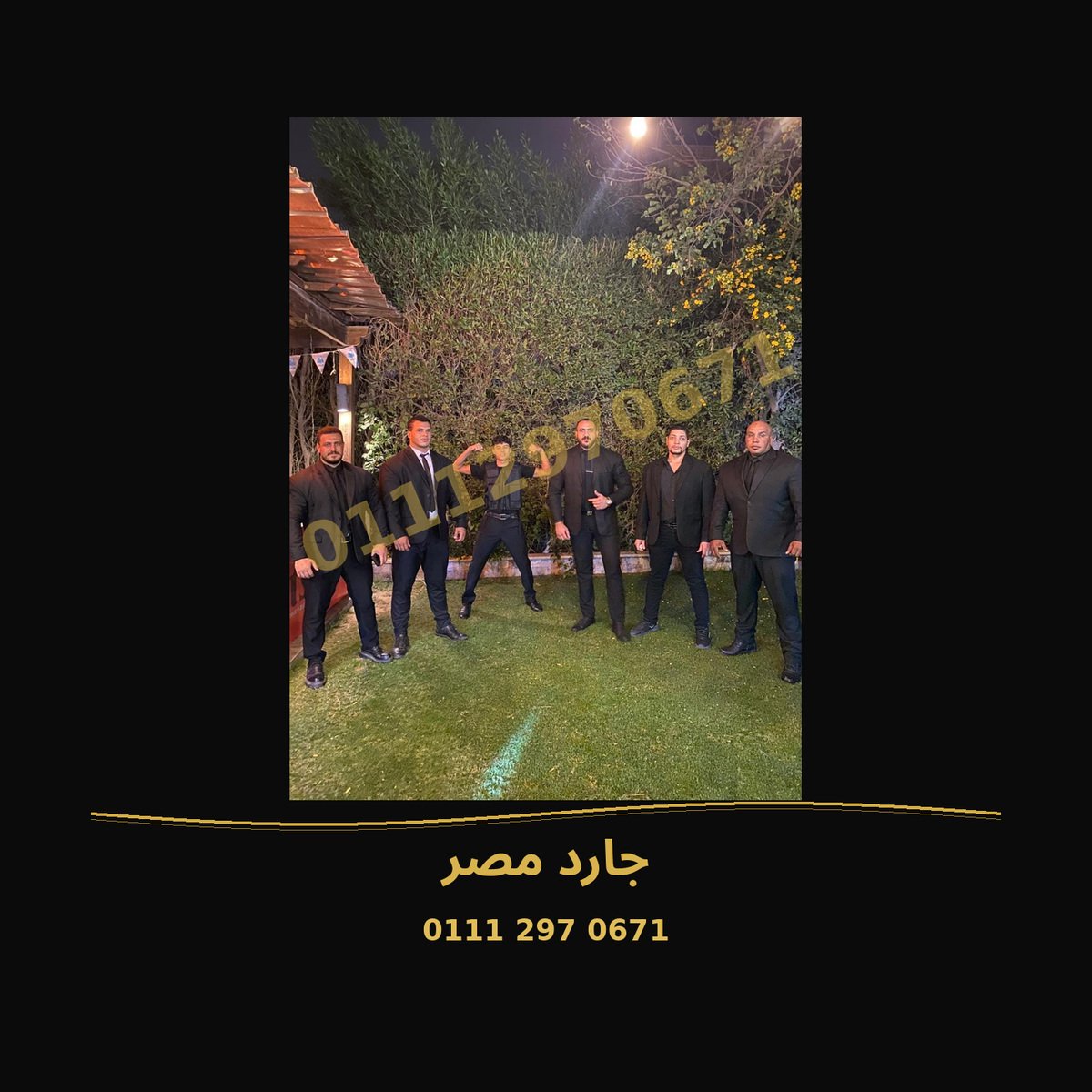
Egypt draws public figures the way few countries can: film festivals on the Red Sea, concerts in Cairo, fashion shoots at the pyramids, premieres, brand launches and private visits that become public the moment a phone camera appears. For celebrities, musicians, artists and public figures, a visit to Egypt is rewarding precisely because it is intense, and that intensity needs managing. Personal protection for public figures in Egypt is about keeping the visit on the visitor’s own terms: the crowds welcomed, the schedule kept, the privacy preserved.
This guide explains how close protection works for celebrities and public figures visiting Egypt: what changes when a profile is high, how arrivals, venues and departures are handled, and how a local team works with promoters, production crews and the client’s own staff.
It helps to be honest about what a high profile changes. It does not make Egypt dangerous; it makes the client visible, and visibility concentrates attention. The same qualities that make Cairo memorable, the warmth, the density, the energy, are the qualities that make an unescorted appearance unpredictable. Professional protection does not suppress that energy; it channels it, so the visit’s best moments happen by design.
When Fame Creates Personal Safety Challenges in Cairo
Cairo is warm, curious and dense. A recognisable face in a public place does not stay private for long: word travels, crowds form quickly, and within minutes a quiet dinner or a walk through a historic site can become a gathering. None of this is hostile; it is enthusiasm. But uncontrolled enthusiasm has its own physics, and managing it calmly is a professional skill.
The visiting public figure usually has a second problem alongside the crowd: the schedule, which on a working visit leaves almost no slack. A festival appearance, a soundcheck, a sponsor dinner, a photo call, all on the same day, all in different parts of the city. Cairo traffic is unforgiving to tight schedules, and every delayed arrival compresses the next engagement. Protection and logistics are the same job here: keeping the person safe and the day intact at once.
Finally, there is privacy. Hotel floors, restaurant choices, evening plans and personal time are the client’s business. A protection arrangement treats that privacy as part of the assignment, not an afterthought, and the officers on it conduct themselves accordingly at all times.
There is also the matter of reputation. A public figure’s visit is content now: every interaction is filmed, captioned and posted within minutes. A protection team that handles a crowd badly becomes part of the story; a team that handles it gracefully disappears into it. The client’s image is protected by the same calm conduct that protects their person.
High-Visibility Profiles: Film Festivals, Concerts & Historic Site Visits
Each kind of appearance has its own shape. A film festival is a controlled environment with red-carpet moments built in: the exposure is planned, and the protection work is making the planned moments smooth and the unplanned ones invisible. A concert or live appearance adds the energy of a large audience and the complexity of backstage movement. A visit to the pyramids, the museum or Khan el-Khalili is the opposite of a controlled environment: open, crowded, unpredictable, and usually the part of the trip the client most wants to enjoy.
Close protection adapts to each. At formal events, the team coordinates with venue security and event organisers on positioning, timing and movement corridors, working within the venue’s own rules. At public sites, the work is presence and pacing: choosing the moment, the entrance and the route, keeping a respectful buffer around the client, and letting the visit breathe without letting it stall.
The goal in every setting is the same: the client experiences Egypt, the crowd experiences a glimpse of someone they admire, and neither experience turns into the other’s problem.
Timing deserves its own mention. Historic sites have rhythms: the early hour before the crowds, the lull before closing, the angle of light the photographer wants. A protection team that knows these rhythms can often give the client the site at its quietest, which is usually the difference between a rushed visit and a memorable one.
Managing Overzealous Fans, Autograph Seekers & Mobile Cameras
The modern crowd is a wall of phones, and it forms faster than ever. The first instinct of a professional officer is not force; it is calm. A steady physical presence, polite verbal direction, and an unhurried pace resolve most situations before they develop. Fans who are treated with courtesy almost always respond with courtesy, and the client’s public image benefits from a team that is visibly gracious under pressure.
Where a moment genuinely serves the client, a wave, a photograph, a brief greeting, it can be allowed to happen on the client’s terms, in a controlled spot, for a controlled moment. Where it does not serve the client, the movement continues smoothly and the opportunity simply never forms. The difference between those two outcomes is judgment, and judgment is what an experienced protection officer brings.
Autograph seekers and persistent individuals are handled the same way: with patience, positioning and redirection rather than confrontation. How the client prefers these moments handled is part of the briefing before the assignment begins.
It is worth noting what this conduct looks like from the outside: nothing happens. The crowd enjoys its moment, the client enjoys theirs, and the absence of incident is the entire point. Good protection in public is measured in unremarkable afternoons, and the very best days are the ones nobody posts about for the wrong reasons at all.
Mobile cameras have changed one thing above all: there is no such thing as a private moment in a public space. The protection answer is not to fight the phones, which never works, but to manage the exposure: choosing where the client pauses, what the background shows, and when the movement simply keeps moving. The client decides how much access the public gets; the team’s job is to make that decision stick.
Discreet Ingress, Private Elevators & Egress Coordination
In celebrity protection, arrivals and departures are where the work concentrates. The public parts of an appearance are managed; the transitions are engineered. A hotel arrival through a service entrance rather than the lobby. A vehicle positioned so the walk is three steps, not thirty. A departure timed to the minute the client is ready, along a route already cleared.
This coordination extends to the hotel itself: floor access, elevator arrangements, room-adjacent positioning, and liaison with the hotel’s own security so the client’s floor stays quiet. Where a venue offers private elevators or back-of-house corridors, those are arranged in advance as part of the movement plan, subject to what each venue can actually provide.
None of this needs to be visible to work. The audience sees the star appear and disappear; the mechanics in between are the assignment.
Departures matter as much as arrivals, and more at the end of a long evening. The vehicle is waiting, the route out is settled, and the client leaves when the client is ready, not when the crowd allows it. A clean exit is the last impression of the night, for the client and for everyone watching.
Close Coordination with Local Promoters & Production Crews
Most celebrity visits are somebody’s production: a promoter, a festival office, a brand team, a film crew, a tour manager. A local protection team plugs into that structure rather than duplicating it. The production’s schedule becomes the movement plan; the tour manager’s priorities become the briefing; the venue’s security becomes a colleague rather than an obstacle.
This coordination starts before arrival: the advance call that walks the schedule, flags the pressure points, and agrees who owns what. On the day, it is radios and relationships: the officer who knows the venue manager, speaks the language, and can fix a problem with a conversation rather than an escalation.
For clients travelling with their own security detail, the local team takes the supporting role: local knowledge, local interfaces, and continuity with the client’s own protocols, under the direction of the client’s security lead.
Where the visit includes elements that are still taking shape, an unannounced appearance, a location still being scouted, a guest list still changing, the arrangement flexes with it. Protection planning is done against the schedule as it stands and adjusted as the schedule moves, with changes handled through the same agreed points of contact.
Arranging Celebrity Protection for Your Egypt Visit
Many visits are short, sometimes no more than a long weekend, and a short visit magnifies everything: there is no spare day to recover a bad one, and no second first impression. That is why the advance work, the conversations and confirmations before the client lands, carries so much of the result.
Every engagement begins with a confidential conversation: the profile, the purpose of the visit, the schedule as it stands, and the client’s preferences for visibility and interaction. From that, an arrangement is proposed and confirmed: the officers, the vehicles, the advance work, and the coordination with your production, promoter or tour management.
Confidentiality runs through the whole assignment. Client data, movements, work and private arrangements are treated with complete confidentiality. Lead time helps, particularly around festival seasons and major events, so it is worth confirming current availability as soon as dates are fixed.
For management teams, the practical questions are answered in the same conversation: team composition, vehicles, advance work, coordination with your existing security, and the conduct standards your client expects. Everything is documented before the assignment begins, so the first movement of the visit runs like a rehearsal of a plan everyone already knows.
Repeat visitors will recognise the value of continuity: the same team, already briefed on the client’s preferences, ready on the next visit with no learning curve. Many of the arrangements described here run smoothest on a return engagement, and that continuity is something we are always glad to plan for with you when you book.
Contact us with your dates and schedule, and we will respond with a discreet proposal shaped around your visit. You can also browse our services for the full range of personal protection in Egypt.
For dedicated professional support, see our dedicated celebrities, artists & public figures protection, and you may also find our guide on practical travel security and protection advice useful.
Frequently Asked Questions
How do you protect international celebrities during public appearances in Egypt?
Through calm buffer zones, managed arrival and departure corridors, and close coordination with the venue’s own security. The specific posture, visible or low-profile, is set by the client’s preference and agreed in the briefing before the assignment.
Can you handle airport reception upon arrival?
An airport meet and continuous close protection from arrival to the hotel can be arranged as part of the engagement. The details, including terminal arrangements and vehicle positioning, are confirmed with you when the assignment is booked.
How do bodyguards prevent uncontrolled fan rushes?
Through presence, calm verbal direction and movement along pre-planned routes. Most crowd situations resolve through patience and positioning; the approach to any persistent situation follows the conduct standards agreed with the client in advance.