
Blog
Privacy Management & Paparazzi Buffering for High-Profile Personalities in Cairo

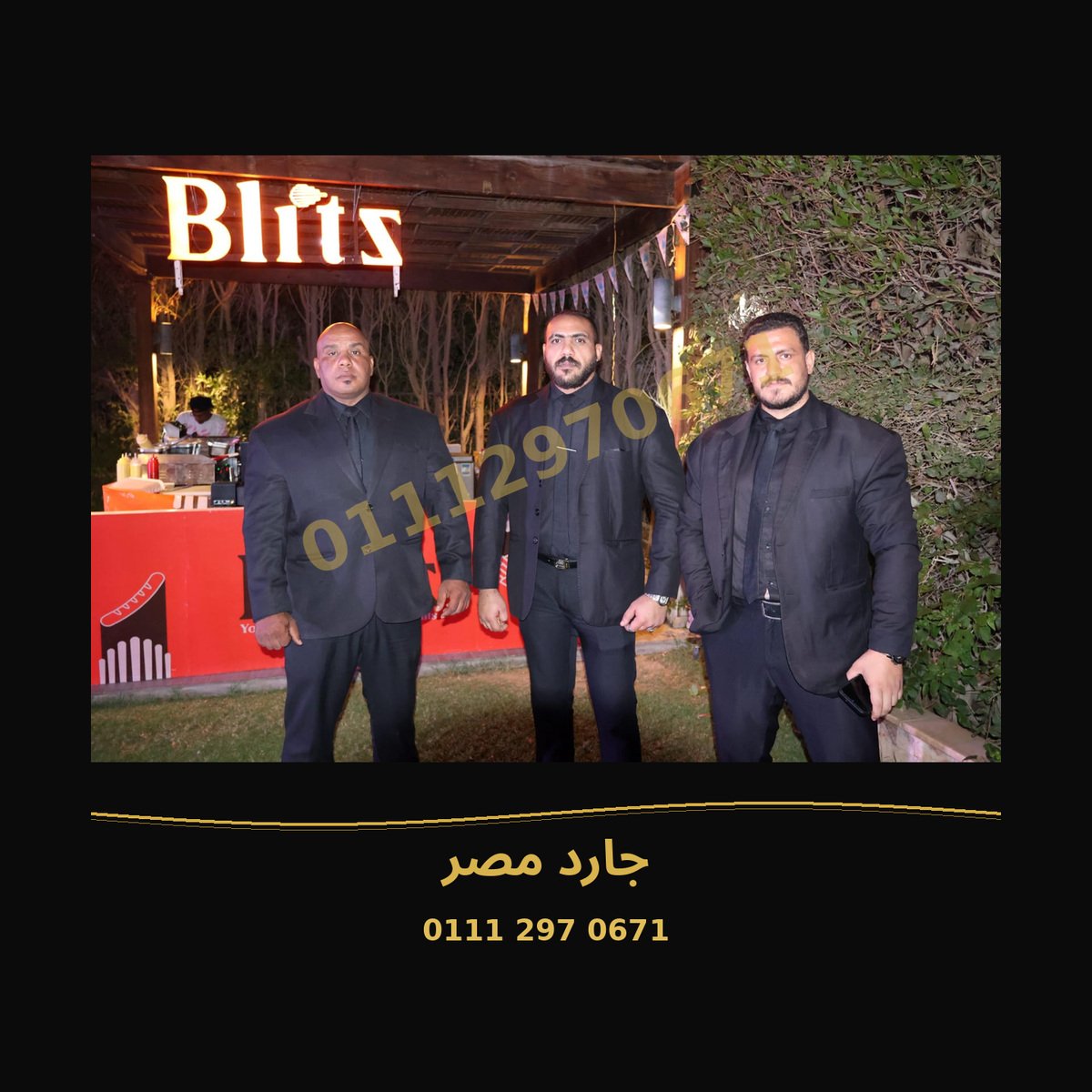
For a high-profile visitor, privacy in Cairo is not lost in one dramatic moment; it leaks away in small ones. A phone lifted at the next table. A crowd forming outside a restaurant because someone posted a story. A photographer who knows which hotel entrance faces the sun. Privacy management and paparazzi buffering is the discipline that closes those leaks: practical, calm, and almost invisible when it is done well.
This guide explains how personal protection officers manage privacy for public figures in Cairo: how sightlines and positioning work, how restaurants and venues are handled, how sightseeing stops stay enjoyable, and how a complete privacy plan is structured around a visit.
The Ubiquity of Smartphone Cameras and Street Media
The classic paparazzi problem has been transformed by the phone in every pocket. A visiting public figure no longer needs to attract a professional photographer to be photographed; everyone is a photographer, and every sighting can be published to an audience of thousands before the client has finished their coffee. Cairo adds its own energy to this: the city is social, curious and quick to gather, and news of a famous face travels through a crowd in minutes.
The protective answer is not confrontation. Confiscated phones and angry exchanges make the story bigger and the client look worse, and they rarely recover the image anyway. The professional approach is upstream of the photograph: positioning, timing and route discipline that keep the client from ever being the easiest picture in the room.
Where photographs do happen, the response stays courteous and unhurried. The client’s composure is the asset; the protection team’s job is to give it room to hold.
There is also a legal and practical reality worth stating plainly: in a public place, photography generally cannot be prevented, only managed. A protection team that understands this does not waste the client’s evening fighting battles that cannot be won. It manages the exposure that matters and lets the rest pass without reaction, which is usually the most newsworthy response available.
It is worth being precise about the goal. The aim is rarely zero photographs; on a public visit that is usually impossible and not always desirable. The aim is control: the client decides which moments are public, and the unplanned, unflattering, or genuinely private moments stay out of circulation entirely. A good day is measured by which pictures exist at the end of it, not by whether any do.
Tactical Body Positioning: Shielding Faces and Managing Sightlines
Privacy work is, at its very core, applied geometry and timing. A photograph needs a sightline, and a sightline can be managed. The protection officer reads the environment continuously: where the cameras are, where they could be, and which angles matter at each moment.
In practice this means simple, disciplined habits executed constantly. Walking on the exposure side of the client, between the cameras and the face. Choosing the table whose sightlines are controlled, not the one with the best view of the room, the one with the least view from it. Positioning at doors and elevators so the client’s profile is never held in one exposed spot. Using vehicles, pillars, door frames and the officer’s own presence as moving cover during transitions.
None of this involves touching a camera or blocking a photographer physically. It is positioning, not obstruction, and from the outside it looks like nothing at all: a person walking with a companion, a party moving through a door, an evening that never produces the picture anyone hoped for.
Hotels deserve the same reading. The lobby is the most photographed room in any famous person’s stay, and the difference between a smooth stay and a siege is often which door the client uses and when. Advance coordination with hotel security covers floor access, elevator arrangements and the quiet routes, subject always to what the property itself can provide.
Private Ingress & Egress Routing at Restaurants & Venues
Restaurants are where privacy is hardest and where it matters most to the client’s evening. The exposed moments are always the same: the arrival walk from the car, the route through the room to the table, and the departure at the end of the night when everyone outside knows the client is inside.
Advance work answers all three. The reservation conversation covers the entrance to use, the table’s position, and the timing that avoids the room’s busiest moment. Many Cairo restaurants can offer a private room, a screened corner or a side entrance when asked in advance; where a venue has its own arrangements and rules, the plan works within them. The vehicle’s positioning at both ends is part of the same plan, so the walk is short and the exposure is measured in seconds rather than minutes.
Departure receives the same attention as arrival. The bill is settled without ceremony, the car is brought to the right door at the right minute, and the client leaves while the evening is still theirs. These arrangements are confirmed with each venue as the engagement is planned, since what a venue can offer varies by night and by house policy.
Evenings with several stops, dinner then a lounge then a late return, repeat the same cycle with less warning, and the plan accounts for the whole arc of the night rather than its first address. The client chooses the evening; the team keeps it private.
Managing Unannounced Public Sightseeing Stops (Pyramids, Khan El-Khalili)
The moments clients remember are often unplanned: the impulse to see the pyramids on the way past, a walk into Khan el-Khalili because the evening is beautiful. Spontaneity is exactly what protection planning has to protect, because an unannounced stop is also an uncontrolled one.
The method is a light, fast version of the full drill. The officer reads the site on arrival: the entrances, the crowd density, the natural pause points, the exit routes. The client’s visit is kept moving at their own pace, with the team managing the space around them and the clock working in everyone’s favour, since a sighting takes time to become a crowd. When the visit’s purpose is done, the movement back to the vehicle follows the route already chosen.
Handled this way, spontaneous stops stay what they were meant to be: the best hour of the trip, not its most stressful one. Clients are often surprised that the unplanned afternoon ends up among the calmest of the visit, precisely because someone else was managing everything around it. Famous sites at quieter hours can also be suggested as part of the plan, where the client’s schedule allows the choice.
The same method scales down to the small stops: a pharmacy, a jeweller, a quick coffee. Not every outing warrants the full treatment, and the client’s preferences set the level, but the habit of reading a place on arrival and keeping the exit in mind runs through all of them, every day of the stay, without the client ever needing to ask.
Keeping Movements Unpredictable: Varying Times and Routes
Predictability is the enemy of privacy, and routine is its quiet accomplice. A client who leaves the hotel at the same time each morning, by the same door, into the same car, can be waited for. Professional photographers and persistent followers work on patterns, and the countermeasure is to give them no pattern to work on.
Movement discipline varies the variables: departure times shifted within the schedule’s tolerance, alternative routes between the regular destinations, different entrances used across a multi-day stay, vehicles swapped or repositioned where useful. The client notices none of this; the schedule runs exactly as agreed with you and your team. The variation lives in the planning, not in the experience.
The same principle governs information. The fewer places the plan exists, the smaller the surface to protect: hotel arrangements, reservations and movements are shared only with those who need them, through the channels agreed at the start of the engagement.
None of this requires the client to think about it. The variation is built into the transport plan and the daily schedule, reviewed each morning against the day’s commitments, and executed quietly. The client’s experience of a well-run privacy plan is that Cairo simply works: the car is there, the door is the right one, and nobody is left waiting.
Structuring a Complete Privacy Defense Plan
A complete privacy plan ties all of this together before the visit begins. It starts with the client’s profile and preferences: how public the visit is meant to be, which moments are deliberately open and which are strictly private, and how the client wants unavoidable attention handled. From there the plan covers the stay end to end: hotel arrangements, transport, restaurant and venue advance work, sightseeing approach, movement discipline, and the conduct standards the team follows throughout.
For management teams, the planning conversation also covers coordination with any existing security, the client’s public commitments where photographs are welcome, and the escalation preferences if attention ever becomes persistent or intrusive. Everyone works from the same page, literally and deliberately.
The plan is documented and confirmed with you or your management before the engagement begins, and it flexes as the visit evolves. Client data, movements, work and private arrangements are treated with complete confidentiality. Lead time helps, particularly where venues and dates are fixed, so current availability is worth confirming early.
Contact us with your dates and requirements, and we will propose a privacy and protection arrangement for the visit. You can also browse our services for the full range of personal protection in Egypt.
For dedicated professional support, see our dedicated celebrities, artists & public figures protection, and you may also find our guide on practical travel security and protection advice useful.
Frequently Asked Questions
How do bodyguards manage paparazzi cameras in public?
Through positioning and movement rather than confrontation: standing between the cameras and the client, managing sightlines, and keeping transitions smooth. Photographers are treated courteously; the protection comes from geometry and timing, not obstruction.
Can a celebrity visit historic Cairo restaurants in privacy?
In most cases, yes, with advance work. Private rooms, screened seating and discreet entrances are arranged with venue management where the venue offers them; what is possible at a specific restaurant is confirmed when the engagement is planned.
What should a client do if spotted by photographers?
Stay calm and follow the officer’s lead. The team manages the pace and the route toward the vehicle or the interior, and the client’s only job is composure. How these moments are handled is agreed in the briefing, so nothing on the day is improvised.