
Blog
Hiring Personal Bodyguards for VIP Guests at Private Galas in Egypt

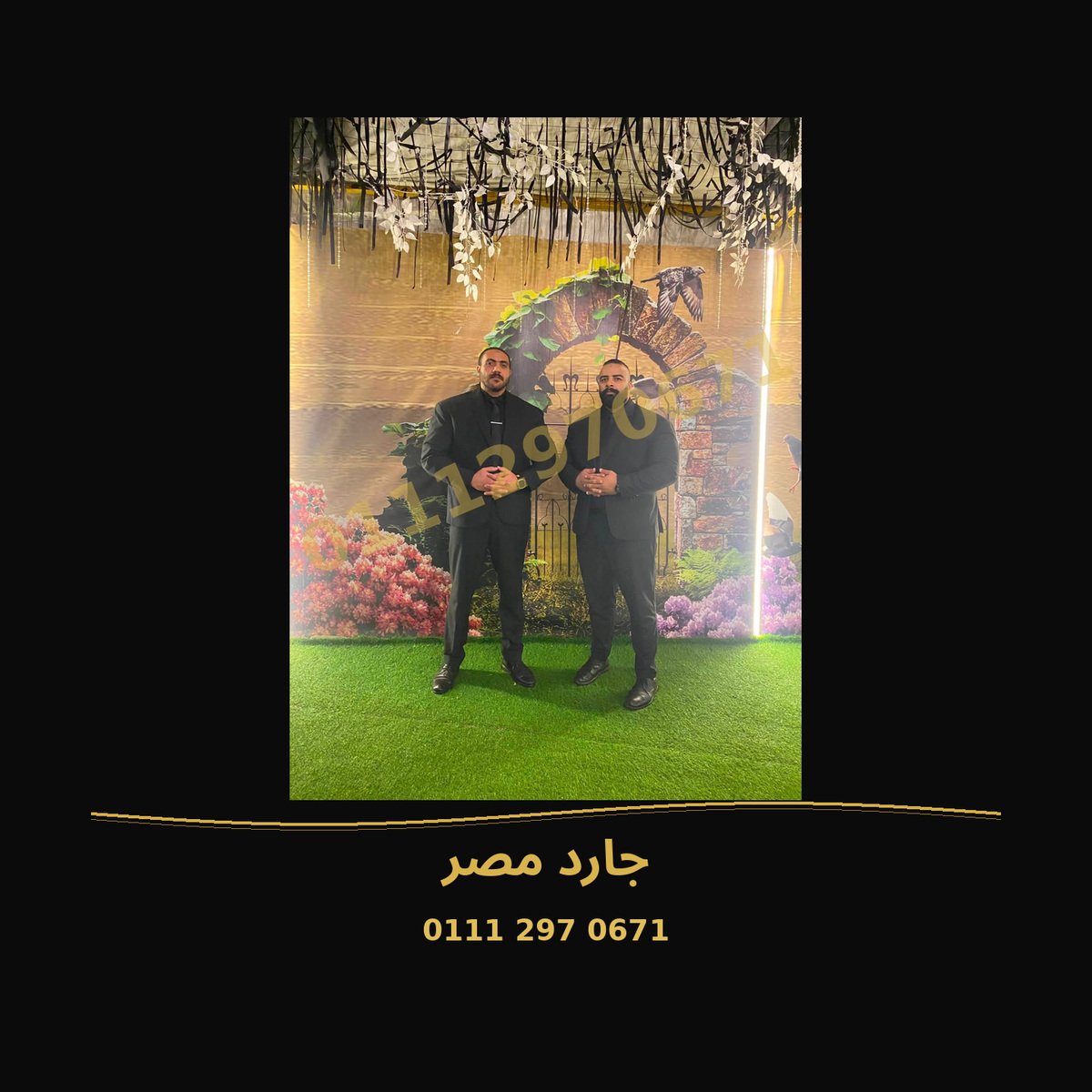
High Society & Private Galas Across Cairo’s Historic Venues
Cairo’s private-event season runs on an elegant circuit: charity balls in grand hotel ballrooms, wedding galas in historic palaces, art-foundation dinners, embassy receptions, and invitation-only celebrations along the Nile. For the distinguished guests these evenings gather, diplomats, business leaders, visiting celebrities, and prominent families, the night is meant to be effortless. Arrive, be received, enjoy the company, leave gracefully.
For the hosts and for the guests themselves, making it look effortless takes quiet preparation. A high-profile guest at a public-facing celebration draws attention: photographers, admirers, the merely curious, and occasionally the persistent. Most of that attention is benign and even welcome. Managing it gracefully, so the guest enjoys the evening without concern and the host’s event stays composed, is the work of a personal bodyguard for VIP gala guests.
This guide is for hosts, private offices, and individuals arranging personal protection for distinguished guests at private galas and formal events in Egypt: what the service looks like when it is done with genuine discretion, and how to commission it.
It is worth saying plainly that the guests who benefit most are often not those facing any specific threat. A visiting public figure, a bride’s prominent family, a CEO at a foundation dinner: the risk at a well-run private event is usually low, but the stakes of even a minor incident, a harassment moment caught on camera, a guest jostled at the entrance, are reputational and personal. Professional protection is how experienced hosts and private offices keep a low-probability evening from becoming a difficult one.
Cairo’s gala calendar concentrates in the cooler months and around the wedding season, when the major ballrooms and palace venues book out and the city’s social calendar fills week after week. Hosts planning in those windows are wise to arrange protection at the same time they confirm the venue.
The Role of a Dedicated VIP Guest Bodyguard
A gala bodyguard’s work begins before the first guest arrives and ends only when the last protected guest is safely departed. In between, the role is deliberately unglamorous: advance familiarity with the venue’s layout and service entrances, coordination with the host’s event team and venue security, a watchful presence through the reception and dinner, and a managed departure at the evening’s end.
What the role is not: a visible wall between the guest and the evening. A VIP guest attends a gala to be present, to receive old friends, meet new ones, be photographed, and enjoy the occasion. The professional standard is protection that supports that presence rather than smothering it. The officer reads the room continuously, positions to intercept problems early, and steps forward only when the moment genuinely calls for it. Done well, most attendees will never consciously register the protection at all.
For hosts, a dedicated guest bodyguard also solves a practical hosting problem: the honored guest’s comfort and movements have a single responsible professional attending to them, freeing the host to actually host.
The advance work deserves emphasis. Before a formal event, the officer reviews the venue’s entrances, stairways, restrooms corridors, and service routes, notes where crowds will compress, and walks the arrival and departure paths. Coordination with the venue’s own security team establishes who handles what, so the evening runs on cooperation rather than crossed wires. None of this is visible to a single guest, and all of it shows in how smooth the night feels.
Attire Standards to Ask About: Black-Tie & Professional Demeanor
At a black-tie gala, a protection officer’s first layer of discretion is dress. When arranging protection for a formal event, you can request officers in classic black-tie attire, tuxedo or dark formal suit, matched to the event’s dress code, so they read as guests rather than staff; wardrobe is confirmed as part of the booking. The second layer is demeanor: poised, courteous, and socially fluent, able to stand at the edge of a conversation without chilling it, and to move a guest through a crowded room with a light touch on the elbow and a quiet word rather than any visible urgency.
This social fluency is what separates gala protection from ordinary event guarding. The officer may spend much of the evening within arm’s reach of ambassadors and public figures; the bearing has to match the room. When commissioning protection for a formal event, ask specifically about the officers’ formal-event experience and attire, it is the single detail your guests will notice most.
Demeanor extends to the small courtesies: knowing when to hold a position and when to fall back a step, how to receive a guest’s guest, when silence is the right answer. A well-briefed officer also knows the evening’s cast, who the host is, who the other principals are, which photographers are invited, so judgments in the moment are informed rather than generic.
Between the Ballroom and the City Beyond
A gala evening rarely exists in isolation. The guest may arrive from an airport that afternoon, move between a hotel and the venue, or continue to a private after-dinner gathering across the city. A dedicated bodyguard covers the whole arc, not just the hours inside the ballroom: the hotel departure, the transfers, the late return. For visiting guests especially, that continuity, one known professional across the entire evening, is often what the guest values most when they look back on the trip.
Smooth Curbside Reception & Secure Red Carpet Walks
The most exposed moments of any gala evening are the arrival and the departure. The guest steps out of a car, often into camera flashes, a receiving line, and a crowd compressed at the entrance. Those ninety seconds between the car door and the ballroom are where planning pays off most.
A dedicated bodyguard manages that passage. Arrival timing is coordinated with the venue and the event team, the vehicle position is arranged for a short, clean walk to the entrance, and the officer moves with the guest through the reception line, close enough to buffer the crowd, unobtrusive enough to stay out of the photographs that matter. Where the event includes a red carpet or step-and-repeat, the officer works the edges of it, keeping the walk flowing while the guest enjoys the moment.
Departure gets the same treatment in reverse: the car is staged before the guest is ready, the exit path is checked, and the guest moves from ballroom to vehicle without waiting on the curb. The aim is an arrival and a departure that feel effortless to the guest and look seamless to everyone watching.
Guests arriving with their own drivers or family vehicles are accommodated the same way; the officer coordinates with whoever is driving rather than imposing a separate transport plan. Where the evening runs late or the schedule shifts, as galas reliably do, the arrangement flexes with it.
Buffering Crowds While Allowing Natural Social Interaction
Inside the event, the protective task shifts from movement to presence. The ballroom is a more controlled environment than the curb, but a busier social one, and it asks the most of the officer’s judgment. Galas are social by design, and a VIP guest will be approached constantly, by old friends, admirers, photographers, fellow guests, and people who simply want a moment. Most of these approaches are the point of the evening. The bodyguard’s skill is distinguishing, continuously and quietly, between welcome attention and attention that needs managing.
The working method is proximity without intrusion. The officer stays close enough to step in, far enough to let conversations breathe. When an approach runs long or turns pressing, the intervention is social rather than physical: a polite interruption, a gentle steering of the guest toward the next engagement, a quiet word to event staff. The guest experiences an evening that flows naturally; the management underneath stays invisible.
For guests who want a firmer boundary, for example during dinner, or when fatigue sets in late in the evening, the officer adjusts the buffer accordingly, in step with the guest’s own signals and preferences established in the briefing.
Photography deserves a note of its own, since it is the medium through which most gala evenings are remembered and shared. Invited photographers are part of the evening, and the officer works around them. Uninvited lenses and persistent filming are a different matter, handled politely and firmly within whatever rules the host and venue have set. The guest’s preferences on this are established in the briefing and honored through the night.
How to Commission Personal Bodyguards for Private Gala Guests
Commissioning gala protection starts with the event details: the venue and date, the guest or guests to be protected, the evening’s schedule, and any particular sensitivities, press presence, former incidents, or simply a guest who values privacy above all. From that, an arrangement is proposed and confirmed with you: a single dedicated officer for one guest or couple, or a coordinated detail for a full VIP table, a family, or several honored guests arriving separately.
Timing matters. Reserve as early as your planning allows. A proper briefing, a venue advance where the location permits, and coordination with the host’s event team and venue security all take time, and they are the preparation that makes the actual evening look unplanned. Confirm current availability and lead times when you enquire; larger arrangements and peak-season dates benefit from booking further ahead.
The briefing itself is short and practical: the guest’s preferences and sensitivities, the evening’s schedule, dress code, transport arrangements, and any names or faces the officer should recognize. Half an hour of preparation is what turns a competent officer into the guest’s officer for the night, and it is the difference the guest actually feels.
Discretion runs through the whole engagement. Guest identities, event details, and arrangements are held in confidence, and the officers’ conduct on the night reflects the standard of the occasion.
Hosts arranging protection for several guests at once, a top table, a family contingent, or a small delegation, can ask for a single coordinated plan rather than several parallel ones: one briefing, one point of contact, and officers working as a team on the night. The scope of the team is confirmed when you enquire.
Contact us with your event date and guest details, and we will prepare a protection arrangement matched to the evening. You can also browse our full range of services for other personal protection needs in Egypt. Your guests should remember the gala, and nothing else.
For dedicated professional support, see our dedicated private events & vip guest personal protection, and you may also find our guide on practical travel security and protection advice useful.
Frequently Asked Questions
Will a personal bodyguard stand out inappropriately at a black-tie gala?
No. Formal attire such as black-tie tuxedos or dark suits can be requested to match the event’s dress code, and wardrobe is confirmed as part of the booking.
Can you provide multiple bodyguards for an entire VIP table?
Arrangements for multiple officers can be discussed when you enquire, whether dedicated officers for individual VIP couples or a small team coordinated for an entire table of guests.
How far in advance should private event bodyguards be booked?
Book as early as your planning allows; briefing and venue coordination take time, and current availability and lead times are confirmed when you enquire.