
Blog
Personal Safety Best Practices for Foreign Expats in Cairo

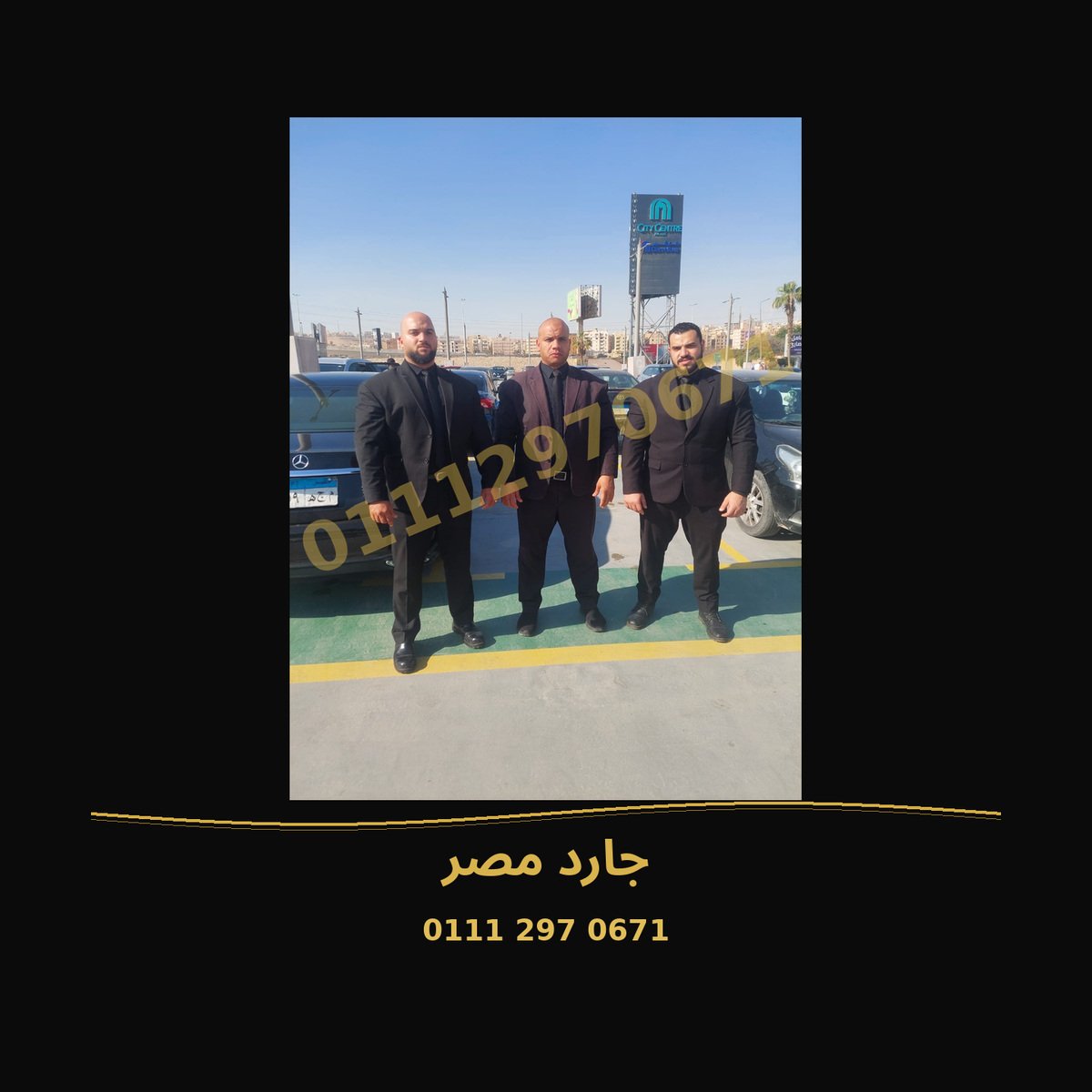
Personal Safety Best Practices for Foreign Expatriates Living in Cairo
Moving to Cairo is an adventure. The city offers history, warmth, affordability, and a lifestyle many expatriates come to love. Like any megacity, it also rewards people who build smart everyday habits. This guide collects the personal safety practices that experienced foreign residents rely on: where expats choose to live, how to handle daily commuting, how to protect your household privacy, when on-demand protection makes sense, and which emergency contacts every resident should have saved.
Cairo as a Vibrant Home for Global Expatriates
Cairo hosts one of the largest expatriate communities in the Middle East and Africa: diplomats, teachers, engineers, NGO staff, entrepreneurs, and remote workers from every continent. Most live in the city for years without a serious incident, and the neighborhoods where expats concentrate have well-established support networks, international schools, and familiar amenities.
Safety in Cairo is less about danger and more about awareness. The situations that catch newcomers are usually predictable: traffic that follows its own rules, bargaining cultures, occasional petty theft in crowded areas, and the simple vulnerability of not speaking Arabic when something goes wrong. Each of these is manageable with preparation. None of them should stop anyone from enjoying the city.
The expats who settle in fastest share a pattern: they choose their neighborhood deliberately, they learn the rhythms of their daily routes, they keep their private life private, and they know exactly who to call when they need help. The rest of this guide takes those four habits in turn.
It also helps to set expectations honestly. Cairo is loud, dense, and intense, and the first month asks more of you than any later month will. Newcomers who treat that adjustment period as a phase rather than a verdict settle in well. Give yourself permission to keep routines simple at first: familiar neighborhoods, trusted transport, early nights when you need them. Confidence in the city grows quickly with experience.
Top Expat Residential Neighborhoods: Maadi, Zamalek, New Cairo & Sheikh Zayed
Maadi remains the classic expat choice, known for its greenery, quieter streets, and long-established international community. Families appreciate its schools and walkable layout, and its café culture makes it easy to build a social circle quickly.
Zamalek, the island neighborhood in the Nile, attracts diplomats, creatives, and professionals who want to be central. It offers cultural venues, restaurants, and a concentration of embassies, with the trade-off of denser traffic and busier streets.
New Cairo and Sheikh Zayed represent the newer, planned side of Greater Cairo: gated compounds, modern infrastructure, international schools, and malls, at the cost of longer commutes to the historic center. Many families and corporate assignees prefer the predictability these areas provide.
Whichever neighborhood you choose, apply the same checks: visit at different times of day before signing a lease, ask current residents about building security and doormen, confirm reliable internet and utilities, and understand your commute in real traffic, not on a map. A good building with attentive staff adds a genuine layer of everyday security.
One more neighborhood habit pays off everywhere: learn your immediate surroundings on foot in daylight during your first week. Know the nearest pharmacy, the nearest well-staffed café, the nearest main road, and the route home from each. In an unfamiliar moment, that mental map is worth more than any app.
Everyday Commuting Safety: Handling Traffic, Ride-Sharing & Late Nights
Traffic is the most consistent daily risk expats face in Cairo, far more than crime. Crossing streets requires patience and local technique: move steadily, make eye contact with drivers, and cross with locals when you can. If you drive yourself, expect assertive lane discipline and give yourself weeks to adapt before attempting longer journeys.
Ride-sharing apps are the default transport for most expats, and a few habits make them safer. Verify the plate number and driver photo before getting in, share your trip status with a friend or family member for late rides, sit in the back seat, and keep the conversation neutral. For regular routines like the school run or a daily office commute, a known, trusted driver arranged through your network is worth the slightly higher cost.
Late nights deserve extra planning. Cairo’s social life runs late, and getting home at 2 AM is normal here. Stick to main roads, use ride-sharing rather than hailing from the street, and let someone know when you expect to arrive. For events, receptions, and evenings where you will be visible or carrying valuables, some expats arrange a dedicated driver or an escort for the night rather than improvising the journey home.
For late arrivals home, agree a simple check-in pattern with someone you trust, a message when you leave and one when you arrive. It takes seconds, and it means someone always knows your rough whereabouts without any formal arrangement. Families can extend the same pattern to teenagers out with friends.
Household & Personal Privacy Considerations for Expat Families
Privacy is the quiet foundation of personal safety. In a city where household staff, delivery services, and building personnel are part of daily life, managing who knows what about your home matters. Keep your full address on a need-to-know basis, avoid posting real-time location updates on public social media, and be thoughtful about which deliveries come to your door under your own name.
For families, brief everyone in the household, including children old enough to answer a phone or a door, on the basics: who is allowed in, what information is never shared, and what to do if something feels wrong. Building staff are almost invariably helpful and trustworthy, but routines still benefit from clarity about keys, access, and visitors.
Digital privacy travels with you. Use secure connections for banking and sensitive work, keep device locks on, and separate your public profiles from your private life. Expatriates with public-facing roles, in media, business, or diplomacy, should treat their home address and family routines as genuinely sensitive information.
Deliveries and home services deserve one practical rule: when possible, have someone else present for first-time service visits, and keep valuables out of sight during any visit. This is ordinary prudence anywhere in the world, not a comment on Cairo specifically, and it quickly becomes second nature.
When Expatriates Use On-Demand Personal Protection Services
Most expats in Cairo live comfortably without full-time security, and this guide is not an argument that you need a bodyguard to live here. But specific situations call for professional support, and knowing when to arrange it is part of good safety practice.
Common triggers include hosting high-profile guests or family events, transporting valuables or sensitive documents, intercity road trips, public appearances or media moments, periods of heightened personal attention such as a business dispute or public visibility, and simply the first weeks of arrival while you learn the city. Some residents arrange an escort for a single evening; others keep a standing arrangement for specific recurring needs.
The practical advantage of an on-demand relationship is that it exists before you need it. Discuss the support you may need in advance, then confirm availability, scope and price for the specific request. Do not assume that an initial enquiry activates on-demand support. You can review the protection options available on our services page, and our guide on how to verify bodyguard credentials in Egypt explains what to check before relying on any provider.
Cost is usually the first question, and it is more approachable than people expect. Short engagements, an evening, a day, a specific journey, are a normal part of the work, and pricing reflects the scope, duration, and seniority involved rather than a flat package. Describe your situation honestly and ask for options; a professional provider will tell you plainly what fits and what you do not need.
Discretion matters as much as capability for most expats. The point of good protection is that your life looks and feels normal: no visible fuss, no disruption to your family routine, no attention drawn where none is wanted. When you discuss an arrangement, say plainly how visible or invisible you want the support to be, because both are workable and the choice is yours.
Essential Emergency Contacts for Foreign Residents in Egypt
Every expat household should have these numbers saved in every phone, and posted somewhere visible at home for children, guests, and household staff:
Ambulance: 123. Police: 122. Tourist Police: 126. Fire: 180. Add to these your embassy or consulate’s emergency line, your nearest preferred hospital, your building’s management office, and a trusted local contact who can translate in a crisis.
In any life-threatening emergency, call the official services first. Private security and personal protection complement these services; they never replace them. What a protection relationship adds is everything around the official response: translation, coordination, transport, documentation, and a calm professional beside you while the situation resolves.
Finally, register with your embassy. Most embassies offer a registration service for citizens abroad, which speeds up assistance in emergencies and keeps you informed of official advisories. It takes minutes and is one of the highest-value steps a new resident can take. If you would like to discuss an on-demand protection arrangement for your household, reach out through our contact page and we will help you scope what fits your situation.
Keep digital copies as well as paper. Photograph your passport, visa, and insurance documents and store them securely in the cloud, so a lost wallet or bag is an inconvenience rather than a crisis. Share your emergency contact list with a family member back home, so someone outside the country always knows your plan, your key contacts, and your neighborhood.
For dedicated professional support, explore our personal bodyguard and close protection services in Egypt.
Frequently Asked Questions
Which Cairo neighborhoods are most popular and safe for expats?
Maadi (known for greenery and its expat community), Zamalek (the cultural island with many embassies), and New Cairo / Sheikh Zayed (modern gated compounds) are the most established choices. Visit at different times of day and ask current residents about building security before signing a lease.
Do expatriates in Cairo hire full-time bodyguards?
Most expats live safely without full-time security, but many hire personal protection for specific situations: high-profile family events, intercity road trips, valuable transports, or visiting VIP guests. On-demand arrangements are far more common than permanent details.
How can expats establish an on-demand security relationship with Gard Misr?
Contact our team in advance to discuss your needs, then confirm availability and the proposed service for each request. Confirm the scope, languages and response process when discussing an arrangement, and confirm availability before relying on support.
What are the most important emergency numbers in Egypt?
Ambulance 123, police 122, tourist police 126, and fire 180. Save these alongside your embassy’s emergency line and your nearest hospital, and make sure everyone in your household knows where to find them.
Is ride-sharing safe for expats in Cairo?
Ride-sharing apps are widely used by the expat community. Verify the plate and driver before entering, share trip status for late rides, sit in the back seat, and keep conversation neutral. For daily routines, a trusted regular driver is a worthwhile upgrade.